
How to customize non-standard rotary joint
How to customize non-standard rotary joints, How to customize non-standard rotary joint, How to customize non-standard rotary unions, How to customize non-standard rotary union, How to customize non-standard swivel joints, How to customize non-standard swivel joint, How to customize non-standard swivel union, How to customize non-standard swivel unions
Various industries use different specifications and sizes of rotary joints, so now ordinary conventional rotary joints can no longer meet the requirements of equipment applications, and it is necessary to customize them according to the actual situation for customers.
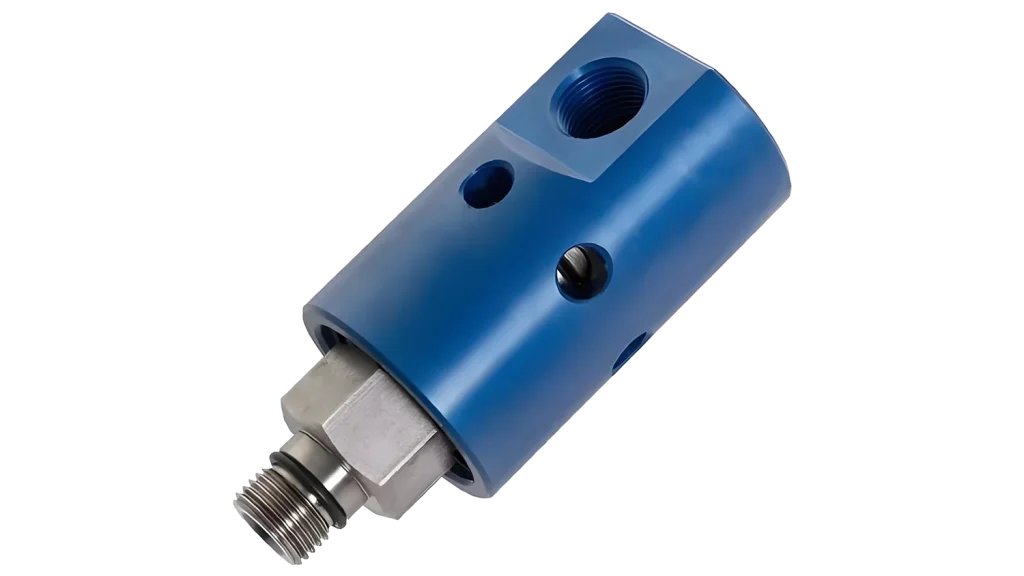
What should you confirm before customizing a non-standard rotary joint?
Before customizing a non-standard rotary joint, confirm the medium, pressure, temperature, rotational speed, connection method, installation space, direction of flow, and expected working cycle. These details determine the structure, seal type, material selection, bearing arrangement, and testing requirements. The clearer your initial information is, the fewer design changes, delays, and compatibility problems you are likely to face later.
Many customization projects become difficult because the request begins with only a sample photo or a rough size. A photo is helpful, but it rarely tells the full story. Two rotary joints may look similar from the outside while having completely different internal flow paths, sealing faces, or load capacities.
A practical starting checklist includes:
- Medium: water, steam, thermal oil, hydraulic oil, air, gas, coolant, chemical fluid, vacuum, or mixed media.
- Pressure range: normal working pressure, peak pressure, and whether pressure fluctuates frequently.
- Temperature range: both the medium temperature and the ambient temperature near the equipment.
- Rotational speed: continuous speed, maximum speed, and whether the rotation is stable or intermittent.
- Connection requirements: thread, flange, quick connector, welded end, or special interface.
- Flow path: single passage, double passage, multi-channel, independent circuits, or combined media.
- Installation space: available length, outside diameter, shaft size, and surrounding interference points.
- Working pattern: continuous operation, frequent start-stop, high vibration, outdoor use, or high-load production.
These facts allow the engineering team to judge whether the design should focus on wear resistance, corrosion resistance, compact size, high-speed balance, high-temperature stability, or easy maintenance.
1. The four essential parameters of medium, temperature, pressure, and speed are indispensable for rotary joints.
2. The equipment used and installation methods vary in different industries, and the functions achieved are also different. Which type of equipment to use can serve as a reference for selection; The installation method is also important, whether it is horizontal or vertical, or both.
3. The connection method with the device is generally divided into flange connection and threaded connection, and the thread should be divided into rotation direction and thread type.
The main design factors that shape performance
The performance of a custom rotary joint depends on how well each design factor supports the real operating environment. When these details are considered together, the final product is more likely to run smoothly and require less unplanned maintenance.
Medium compatibility
The medium is one of the first factors to define because it touches internal surfaces and seals. Clean water, abrasive coolant, high-temperature steam, and chemical fluids all place different demands on the design. If the medium contains particles, the sealing pair may need better wear resistance or filtration support in the system.
Compatibility also affects safety. Some fluids require stronger corrosion resistance, while gases or hydraulic media may require tighter sealing control. For mixed media or multiple circuits, it is important to identify whether cross-contamination is acceptable or must be strictly prevented.
Pressure, temperature, and speed
Pressure influences wall thickness, sealing force, and connection strength. Temperature affects material expansion, seal hardness, lubrication behavior, and long-term stability. Rotational speed affects friction, heat generation, dynamic balance, and bearing life.
These conditions should not be treated separately. A joint that works at a certain pressure at low speed may perform differently at high speed. A seal that performs well at room temperature may age quickly under heat. This is why reliable customization requires a full operating profile instead of one isolated number.
Space and installation limits
Many non-standard rotary joints are requested because the machine leaves little room for installation. The designer may need to shorten the overall length, change the inlet angle, modify the flange, or position the housing to avoid nearby parts. These changes must still preserve structural strength and serviceability.
It is also useful to share assembly drawings or 3D models when possible. They help identify interference risks before production. Even simple details, such as wrench clearance or hose bending direction, can affect whether installation is easy or frustrating.