
How do I choose a rotary joint?
How do I choose a rotary joint
rotary joint selection
Choosing the right rotary joint is about matching motion, media, pressure, temperature, speed, and sealing method to the real conditions of your machine. A well-specified joint helps transfer fluid or gas into rotating equipment reliably, while a poor match can lead to leaks, premature wear, contamination, downtime, or unsafe operation. This guide walks through the practical factors that make rotary joint selection easier, clearer, and more defensible.
What should you consider first when selecting a rotary joint?
Start with the application, not the catalog. The best rotary joint is the one that can handle your operating media, speed, pressure, temperature, rotation pattern, connection style, and maintenance expectations at the same time. If one of those requirements is overlooked, even a high-quality joint may fail early because it was asked to work outside its intended conditions.
A rotary joint, sometimes called a rotary union, creates a sealed passage between a stationary supply line and a rotating part. It may transfer water, steam, thermal oil, hydraulic fluid, coolant, compressed air, gas, vacuum, or other process media depending on the equipment. Because the joint sits at the boundary between fixed and moving components, it must manage both fluid transfer and mechanical motion.
Good rotary joint selection begins by defining what the joint must do during normal operation and what it may experience during startup, shutdown, cleaning, upset conditions, or maintenance. Peak conditions matter because seals, bearings, and housings often fail when the machine briefly moves beyond the “normal” range.
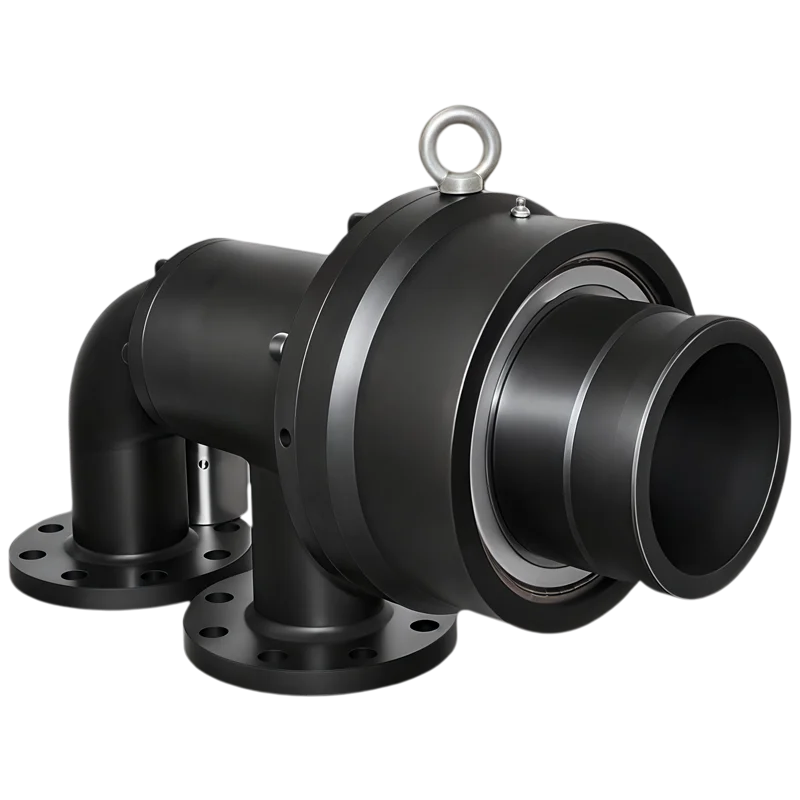
Another parameter is pressure. Currently, the highest pressure in market applications is found in cutting machines used by steel mills and hydraulic presses used on ships, with pressures reaching up to 60-100 MPA. Ordinary rotary joints are unable to withstand such pressure. If ordinary models are used in high-pressure applications, high pressure will inevitably lead to seal rupture and air leakage. Therefore, we must be clear about the startup pressure and normal pressure of our equipment, so that we can recommend or choose the correct product.
The last point is about rotational speed. Actually, most rotary joints rely on bearings for rotation, and speeds of 100-200 revolutions per minute are generally achievable. We usually need to pay attention to the fact that high-speed conditions should be considered only after meeting the requirements of temperature and pressure. Currently, we control high speeds by using good bearings to meet the rotational speed requirements. Seals and high-temperature components are mostly interchangeable, but bearings have some special characteristics. Generally, high-speed rotary joints are mostly used to pass water medium with a small amount of gas, and water has a cooling effect. Therefore, we usually choose imported NSK bearings or domestic RB bearings, which can meet the requirements of high-speed rotation while preventing rusting of bearing steel caused by water erosion
Define the media before choosing materials and seals
The media moving through the rotary joint is one of the most important selection inputs. Water, air, steam, oil, coolant, and hydraulic fluid behave differently, and they affect materials in different ways. A joint that performs well with clean water may not be appropriate for abrasive coolant, high-temperature oil, or corrosive fluid.
When defining media, be as specific as possible. Instead of writing “oil,” identify whether it is hydraulic oil, thermal oil, lubricating oil, or another fluid type. Instead of writing “water,” note whether it is clean, filtered, treated, contaminated, hot, chilled, or mixed with chemicals.
Key media details include:
- Fluid or gas type: The media determines seal compatibility, housing material, and internal design.
- Cleanliness: Particles can damage sealing faces, clog passages, or accelerate wear.
- Lubricity: Some media help lubricate seals, while dry gases or low-lubricity fluids may require special seal materials.
- Chemical compatibility: Additives, cleaners, solvents, or corrosive elements can attack elastomers and metals.
- Viscosity: Thicker fluids may affect pressure drop, flow, startup load, and heating.
- Safety impact: Steam, hot oil, chemicals, or high-pressure hydraulic fluid require more conservative selection and installation practices.
If media conditions vary, select for the full range rather than the easiest condition. For example, a system may run with warm fluid most of the day but see cold, high-viscosity startup conditions each morning. That startup state can create higher torque or pressure demands than steady operation.
Operating pressure and temperature shape the design
Pressure and temperature are not just numbers on a data sheet. They affect seal loading, bearing life, housing strength, material expansion, and leakage risk. A rotary joint must tolerate the maximum pressure and temperature it will see, including short spikes and cleaning cycles.
Pressure can be steady, pulsing, or variable. Hydraulic systems, for instance, may generate sharp pressure spikes during machine movement. Steam systems may see changing pressure during warm-up and condensate clearing. Air and gas systems may appear simple, but high speed combined with dry media can increase seal wear.
Temperature deserves the same attention. High heat may harden or degrade elastomers, change lubricant behavior, and cause thermal expansion. Low temperature may make seals less flexible and fluids more viscous. If the joint is mounted near a heated roll, oven, dryer, or process chamber, ambient temperature around the joint may be higher than the plant environment.
For practical selection, document:
- Normal operating pressure.
- Maximum pressure, including surges.
- Normal operating temperature.
- Maximum and minimum temperature.
- Whether pressure and temperature occur together at their highest values.
- Whether the joint sees cleaning, flushing, or sterilizing conditions.
This information helps avoid selecting a joint that looks adequate for average operation but is vulnerable during the most demanding part of the process.
Speed, rotation pattern, and duty cycle matter
Rotational speed influences seal face heat, bearing load, vibration sensitivity, and service life. A joint operating at low speed on an indexing table has very different requirements from one feeding coolant into a high-speed spindle. Even with the same media and pressure, speed can change the preferred seal design.
Duty cycle is just as important. A joint running continuously for long shifts may require a design optimized for heat management and long seal life. A joint used intermittently may face repeated start-stop cycles, which can be hard on seals if lubrication is limited during startup.
Rotation pattern should also be clear:
- Continuous rotation: Common in rolls, drums, and rotating shafts.
- Intermittent rotation: Common in indexing equipment and automated fixtures.
- Oscillating movement: Requires attention to hose strain and seal behavior over repeated partial rotation.
- Reversing rotation: May affect torque, threaded connections, and support requirements.
- High-speed rotation: Often requires precise alignment, low vibration, and suitable balancing.
Do not assume that a joint rated for a certain speed in one media will perform the same way in another. Seal lubrication, cooling, and friction can vary significantly by media type.