
Correct usage method of rotary joints
Correct usage method of rotary joint
first Install rotary joint
1. During the handling and storage of rotary joints, collisions and drops should be avoided to prevent damage to the interface and internal components.
2. Install the machine as concentric as possible to ensure the good operation of the rotary joint.
3. When installing the rotary joint with threaded connection, attention should be paid to whether the thread direction of the inner and outer pipes corresponds to the rotation direction of the drum, and the thread direction of the inner and outer pipes should also be consistent.
4. The connection between the rotary joint and the pipeline must be made using flexible hoses (our company recommends using metal hoses with good flexibility), and rigid connections are absolutely prohibited.
5. The inlet and outlet of the rotary joint should be directly connected to the hose as much as possible. To reduce the auxiliary weight of the joint and extend its service life.
6. The assembly of the inner tube should pay attention to the matching of dimensions and the auxiliary support of weight. It is recommended to use tolerance fit H8/e7 for the fit between the inner tube and the joint of the internal rotary joint.
7. The support and anti rotation of the rotary joint should be appropriate. Generally, the diameter of the rod should be 2mm smaller than the anti rotation hole to avoid affecting the free adjustment and compensation of the rotary joint. Various connection methods for rotating joints and equipment (customers can set different types of connection methods according to the specific structure of the equipment being used)
Rotary joints are common sealing components in industrial equipment used for transferring fluids or gases. Proper use of rotary joints can extend their lifespan and ensure safe operation of equipment. Here are some key usage precautions:
Long term disuse of the machine can cause rusting and damage to the rotating joint. Please be aware that there may be jamming or leakage when using it again.
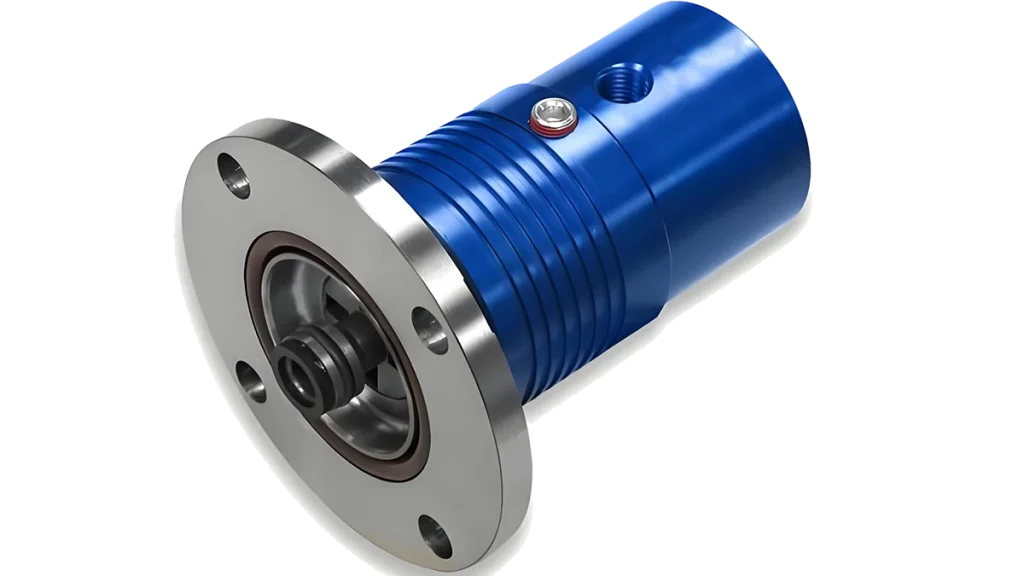
Do not allow rotating joints with different centers of rotation to continue running, in order to avoid wear or damage.
The inlet and outlet of the rotary joint must be equipped with hoses and cannot be replaced with steel pipes to reduce vibration and stress.
Select good hoses and maintain appropriate length to ensure flexibility and resistance to breakage.
Do not directly add other accessories at the inlet and outlet of the rotary joint. If the device is to be installed, it should be added after the hose.
The interior of the piping and rollers should be kept clean, as new machines often suffer from abnormal damage to the rotating joints due to internal uncleanliness.
Whether the supporting device of the rotary joint is appropriate affects its stability and service life.
The rotation axis of the rotary joint and the fixed inner tube must be either left or right, and attention should be paid to the correct rotation direction during design and manufacturing.
Use rotating joints that meet the conditions (refer to fluid, pressure, size, speed, rotation direction, inner pipe, or other necessary items).
Whether the inner tube is properly selected and assembled should pay attention to the fit of dimensions and whether the weight is too heavy.
When using a screw type rotary joint, attention should be paid to whether the specifications of the connecting screws are correct and whether the length of the locking roller is sufficient.
During transportation, the rotating joint should avoid collision or falling, otherwise it is prone to bending of the rotating shaft and splitting of internal parts.
When not flowing, avoid prolonged operation to prevent dry grinding damage.