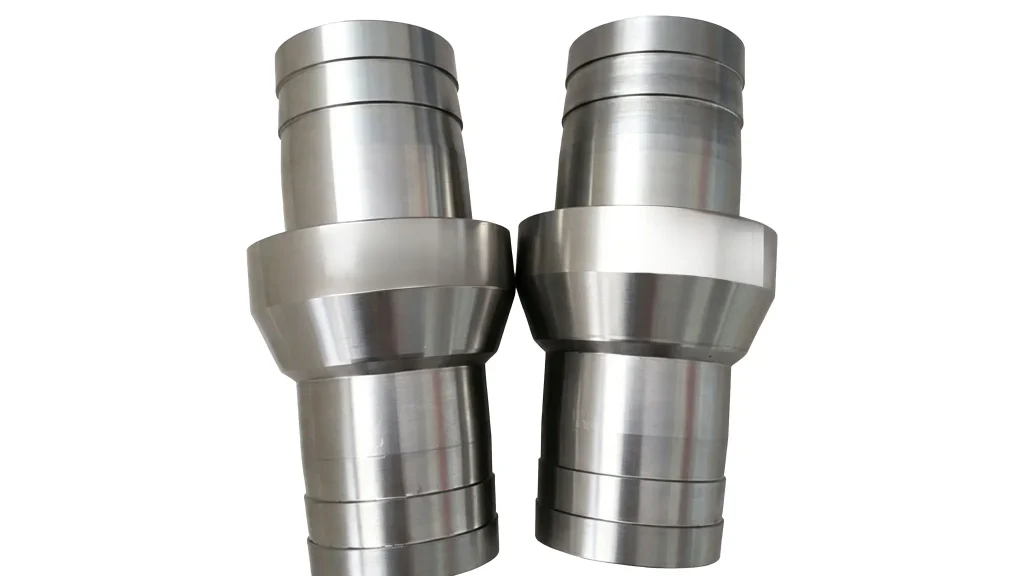
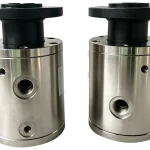
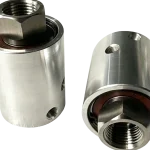
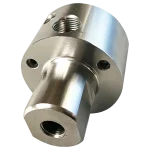
Stainless steel swivel union
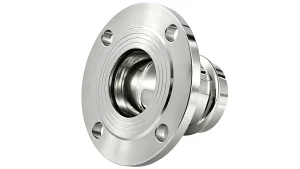
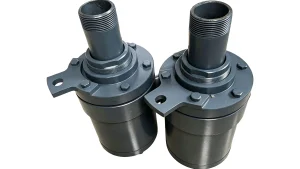
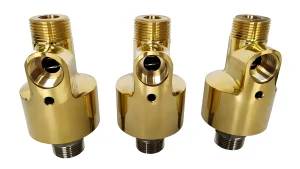
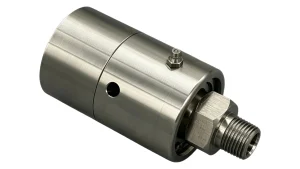
Stainless steel rotary joint is a key industrial fluid dynamic sealing device, mainly used to transport media such as water, steam, oil, gas, etc. from fixed pipelines to rotating or swinging equipment. Its core feature is that the main structure is made of stainless steel material (such as 304, 316L, etc.), which has excellent corrosion resistance, high temperature resistance, and mechanical strength
- Operating Temperature350℃
- work pressure315bar
- maximum speed3000rpm
Stainless steel swivel union
Stainless steel swivel union, Stainless steel swivel unions, Stainless steel swivel joint, Stainless steel swivel joints, Stainless steel rotary joint, Stainless steel rotary joints, Stainless steel rotary union
Stainless steel rotary joint is a key industrial fluid dynamic sealing device, mainly used to transport media such as water, steam, oil, gas, etc. from fixed pipelines to rotating or swinging equipment. Its core feature is that the main structure is made of stainless steel material (such as 304, 316L, etc.), which has excellent corrosion resistance, high temperature resistance, and mechanical strength
1. Core structure and working principle
The stainless steel rotary joint supports the rotating shaft through precision bearings and forms a dynamic seal between the stationary housing and the rotating shaft using sealing components.
Main material: The shell, shaft, and key connecting parts are usually made of SUS304 or SUS316L stainless steel to ensure that they do not rust or contaminate in humid, corrosive media or food and pharmaceutical environments.
Sealing technology: Common sealing forms include spherical sealing, planar (end face) sealing, and labyrinth sealing. The friction pair materials are often impregnated with carbon graphite, silicon carbide, hard alloy or ceramic, combined with sealing rings such as fluororubber and polytetrafluoroethylene (PTFE), to achieve low wear and long service life operation.
Compensation mechanism: Equipped with a single or multiple spring compensation mechanism, it can automatically compensate for the wear and axial displacement of the sealing surface, maintaining stable sealing pressure.
Working pressure of rotary joint:
The normal working pressure range for rotary joints is 10 to 315 bar
Conditions for use of rotary joints:
The DNF type rotary joint we provide can be widely used in various occasions, suitable for various media such as water, sewage, hydraulic oil, other oils, chemical crystals, coal gas, dust, mud, etc.
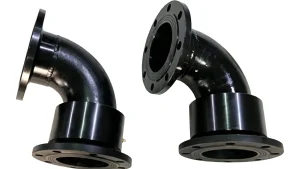
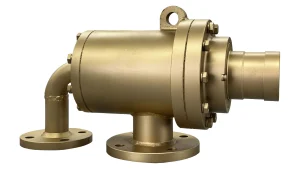
By joining the rotary joint with bent pipes or corner components, flexible pipelines of different structural styles can be formed.
We provide this set of assembled flexible pipelines, which can be sealed with different materials according to the needs and temperature of the application site.
We can use inner and outer double-layer seals in the rotary joint according to customer requirements to ensure “no leakage of water”.
The DNF rotary joint can be combined with various threaded or flange joints. We suggest ordering the necessary connectors at the same time as ordering the adapter.
SD Company is a specialized company that integrates scientific research, development, and manufacturing. Since its establishment, the company has made significant improvements in product quality and exterior design to meet market demands and better serve both new and old customers. Particularly, there have been significant advancements in mechanical seals, resulting in more specialized products, more rational internal structures, more stable seals, and extended service life. The product has the advantages of stable quality, excellent performance, and easy installation, which not only solves the problems of “running, emitting, dripping, and leaking” for users, saves energy, but also reduces the frequency of maintenance and the losses caused by frequent start-up and shutdown, and is highly praised by new and old users.