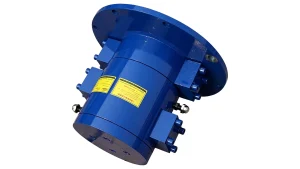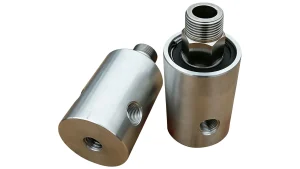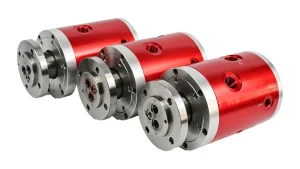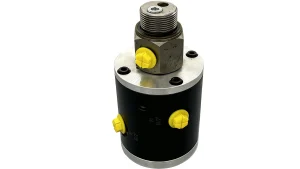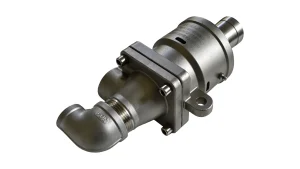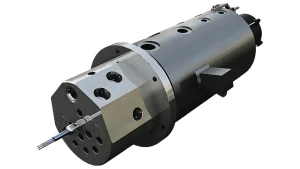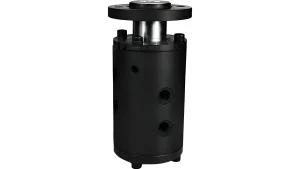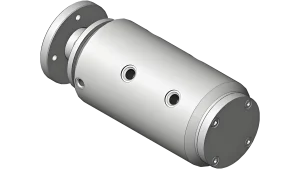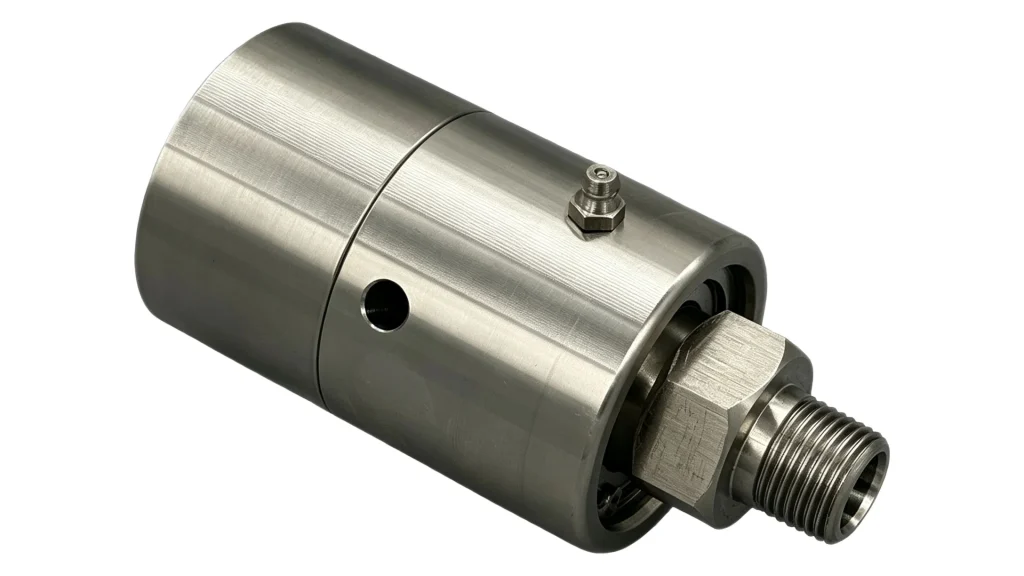
rxb type swivel union
The RXB rotary joint is a high-frequency universal mechanical seal device designed specifically for the pharmaceutical, lithium battery, semiconductor, and photovoltaic industries, supporting online sealing and intermittent dry operation.
- Operating Temperature180℃
- work pressure1.1MPa
- maximum speed3000RPM
rxb type swivel union
rxb type swivel union, rxb type swivel unions, rxb type swivel joint, rxb type swivel joints, rxb type rotary joint, rxb type rotary joints, rxb type rotary union
The RXB series rotary joint adopts a balanced mechanical seal structure, with rolling bearings supporting the outer tube and shell, making its operation more flexible. The RXB rotary joint is made of 304 or 316L stainless steel material – widely used in special industries such as lithium batteries, chemicals, pharmaceuticals, beverages, etc., for conveying various media such as water, ethylene glycol, thermal oil, coolant, hydraulic oil, air, and other fluids.
Technical Parameters
Maximum speed: 3000RPM (010-020)
2500RPM (025-040)
1000RPM (050)
Maximum pressure: 1.1MPa
Maximum temperature: water (90 ℃)
Hot water (120 ℃)
Hot oil (180 ℃)
Applicable media: water, hot water, hot oil, ethylene glycol, coolant, gas
Conventional caliber: 3/8 “-2”
Design features
Optimized balanced seal to minimize friction;
All parts in contact with the medium are made of stainless steel with anti-corrosion design;
The spring does not come into contact with the medium, improving reliability and increasing the flow area;
The O-ring moves with the sealing ring as a whole, with a reliable design and no possibility of loosening or slipping out of the O-ring;
The shell adopts a split structure, which allows for online replacement of seals, reduces downtime, and lowers maintenance costs;
Have you ever stopped to think about how massive industrial machines manage to keep fluids flowing smoothly without creating a tangled, chaotic mess of hoses? The secret to this engineering marvel lies in a relatively small but mighty component known as a rotary joint. If you are a plant manager, an equipment maintenance technician, or just a curious engineering enthusiast looking to upgrade your machinery, you already know that selecting the right fluid transfer joint is a massive deal. Poorly chosen joints lead to leaks, pressure drops, and ultimately, wildly expensive machine downtime. Today, we are taking a deep and detailed dive into the RXB type rotary joint. It is a true workhorse in the modern manufacturing world, known specifically for its ability to handle demanding, continuous-duty environments. Whether your production line relies on hot steam, freezing cooling water, or highly viscous thermal oils, understanding exactly how this specific joint operates can save you a tremendous amount of downtime and maintenance headaches down the road.
The Fundamentals of Rotary Joints
Let us start with the fundamentals of rotary joint design. At its most basic level, the goal of any rotary union is brilliantly simple: it must successfully transfer a fluid from a stationary supply pipe into a constantly rotating machine component, and it must do this safely without leaking a single drop onto the factory floor. When you look at the broad market of various rotary joint types available today, the RXB type distinctly stands out from the crowd.
Why is it so incredibly popular? A major part of its appeal comes directly down to the self-supporting rotating union design benefits. In older, legacy machinery, rotary joints often required complex, bulky external brackets and heavy metal frameworks just to hold them perfectly steady. The RXB type, however, cleverly houses its own durable internal bearings that support the entire weight of the rotating structure. This highly efficient, self-contained approach makes it incredibly versatile, much faster to install during planned outages, and significantly easier to squeeze into the tight, confined spaces often found on a busy, crowded factory floor.
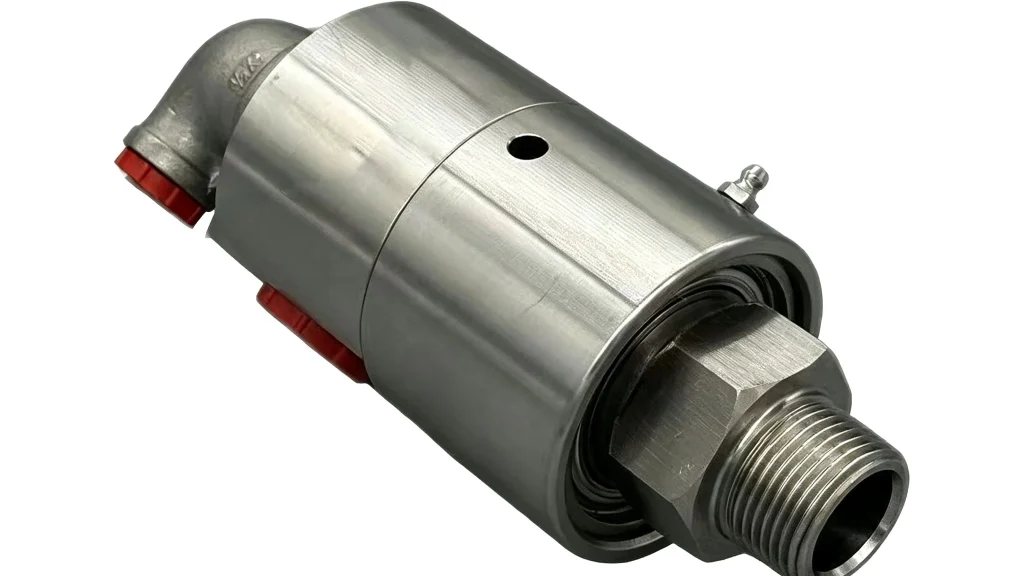
Flow Setups: The Right Configuration for the Job
A crucial decision you will face when specifying an RXB type rotary joint for your facility is determining exactly how the fluid needs to move through your machinery. You will generally have to choose carefully between a single flow versus dual flow configuration. Understanding the operational difference is key to a successful setup.
A single flow configuration is wonderfully straightforward and highly efficient. This setup is perfect when you simply need to get fluid into a rotating cylinder or roll. The fluid enters the joint, travels into the spinning drum to do its necessary heating or cooling work, and then cleanly exits through a separate, dedicated drain or joint on the opposite end of the machine.
A dual flow configuration, on the other hand, is where the mechanical engineering gets incredibly clever. A dual flow setup allows fluid to both enter and exit through the exact same joint on just one side of the machine. This is incredibly useful in complex systems where you need to continuously circulate heating or cooling fluids but absolutely do not have physical access to the opposite side of the roller. In these specific setups, proper syphon pipe installation for drying cylinders is an absolute, non-negotiable necessity. Think of the syphon pipe as a highly engineered, rigid straw inside the drum. As the cylinder rotates and the fluid inside cools down or condenses into liquid water, the stationary syphon pipe constantly pulls the used fluid back out through the center of the joint. This simultaneous action allows fresh, perfectly temperature-controlled fluid to rush in and take its place, keeping your process running flawlessly.