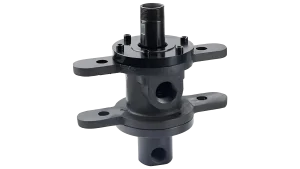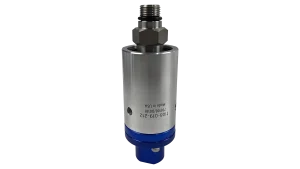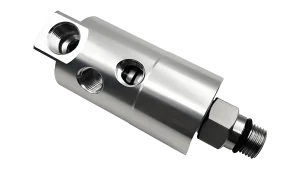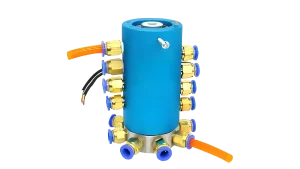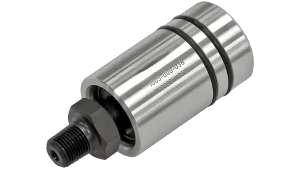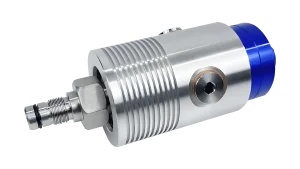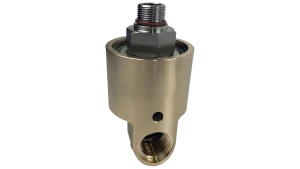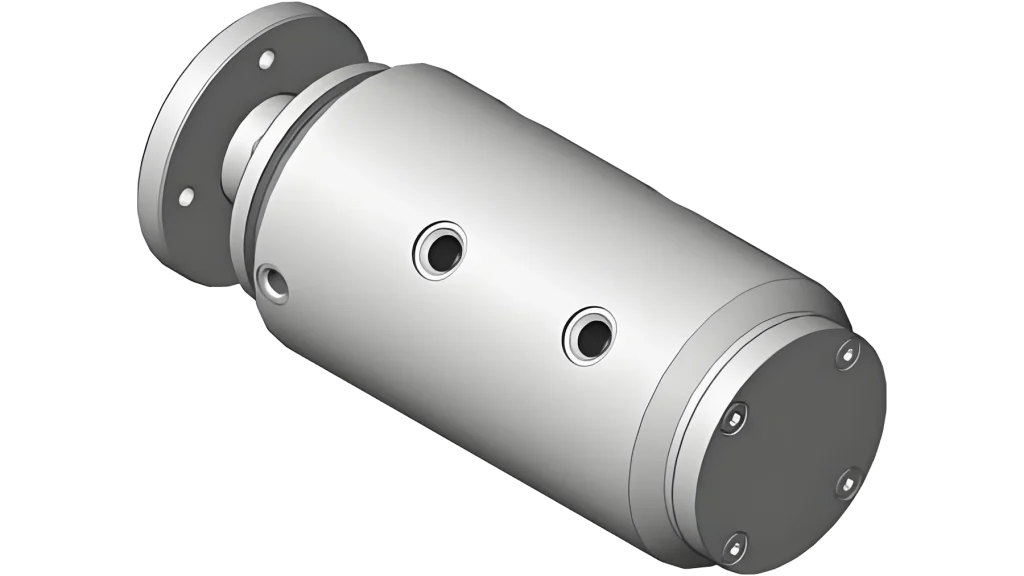
Rotating joints for semiconductor ECD equipment
Rotating joint for semiconductor ECD equipment
Rotating joints for semiconductor ECD equipment
Rotating joint for semiconductor ECD equipment
characteristic
1) The electric slip ring and liquid slip ring are integrated into one, with a small volume;
2) IP54 protection level;
3) Speed up to 1000rpm;
4) Low torque
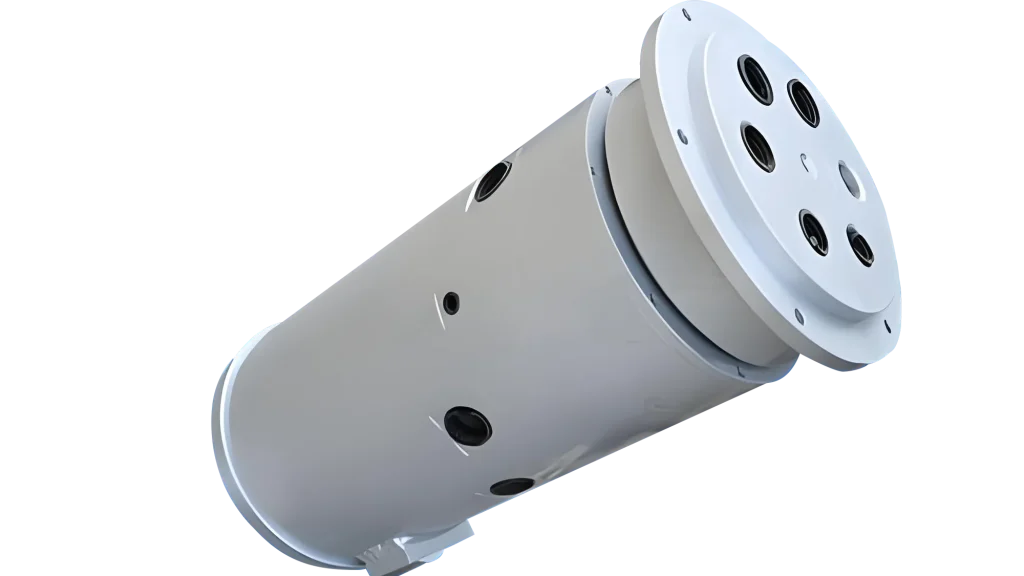
Technical parameters
| rotary electrical joint | Pressure (kPa) | 250 |
| Rotational speed (rpm) | 1000 | |
| Fluid diameter(mm) | 3.2 | |
| number of channels | 2 | |
| slip ring | ||
| Protection level | IP54 | |
| Maximum current (A) | 30 | |
| Rated voltage (V) | 400V(AC/DC) |
In today’s era of rapid technological development, semiconductor technology, as the core pillar, has permeated almost every corner of our lives. Behind this, a device called semiconductor equipment rotary joint is silently playing a crucial role.
What is a semiconductor equipment rotary joint?
Simply put, a semiconductor equipment rotary joint is a device used for connecting and transmitting signals, especially in equipment that requires rotational motion. In the semiconductor manufacturing process, multiple devices need to cooperate with each other, and the emergence of rotary joints precisely solves this problem.
How does it work?
The rotary joint allows fluid or gas to maintain a stable connection while the device rotates through a rotating mechanism. This is like an invisible bridge connecting two worlds, allowing energy and information to flow smoothly.
Application fields of semiconductor equipment rotary joints
In the semiconductor manufacturing industry, the application of semiconductor equipment rotary joints can be described as widespread. For example, in high-precision equipment such as lithography machines, etching machines, and cleaning machines, rotary joints ensure smooth fluid transfer, ensuring production efficiency and product quality.
Strengths and Challenges
The biggest advantage of using semiconductor equipment rotary joints is that they can still work stably in high-pressure environments. In addition, their wear resistance and corrosion resistance also enable them to function under extreme conditions. However, designing and manufacturing high-quality rotary joints remains a challenge, especially with precision requirements at the micrometer level.
Future Development Trends
In the future, with the continuous improvement of semiconductor technology, semiconductor equipment rotary joints will also develop towards higher precision and intelligence. More integrated solutions are expected to emerge to meet the increasingly complex industrial demands.
Conclusion: An indispensable technological partner
In summary, as an indispensable part of semiconductor manufacturing, the rotary joint of semiconductor equipment not only improves production efficiency but also ensures the stability of the equipment. With the continuous advancement of technology, the application of rotary joints will become more widespread and become an important driving force for the development of the industry.