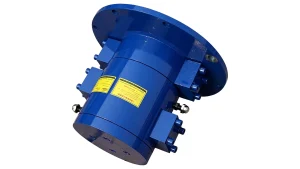
Reasons for leakage of hydraulic rotary joints
Hydraulic rotary joints are suitable for high torque working environments and are widely used in industries such as machine tool fixtures, automation, metallurgy, wind power, and construction machinery. Because of its high pressure, it is usually called a high-pressure rotary joint, and some special equipment can reach a maximum pressure of 45MPa
Read More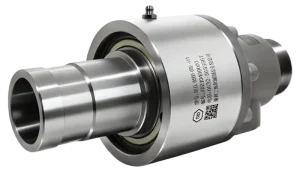
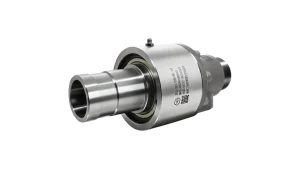
Single circuit rotary joint
Single loop rotary joint: There are two types of single loop rotary joints: one is the inner tube rotation, and the other is the inner tube fixation. Its characteristics are simple structure
Read More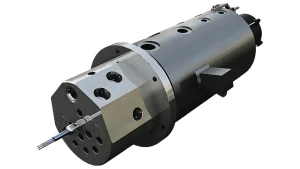
The working principle of hydraulic rotary joints
In the current definition, the operation of multiple pipelines independently designed inside the same joint without interfering with each other is called a multi-path rotary joint
Read More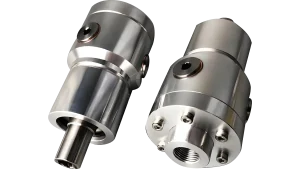
High end rotary joint design
The part that can rotate 360 ° in daily life is called a rotary joint, which is characterized by the ability to input fluid and gas mechanisms from a stationary pipeline into rotating or reciprocating equipment
Read More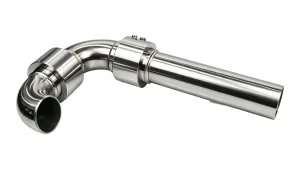
Reciprocating rotary joint
Reciprocating rotary joint (also known as swing type rotary joint) is a sealing connection device designed for the transmission of fluid media between rigid pipelines under reciprocating swing or low-speed rotation conditions. Its core function is to achieve dynamic sealing and medium conduction between fixed pipelines and swinging components.
Read More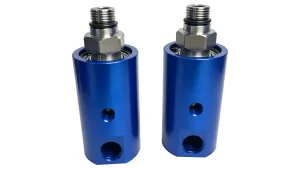
Low resistance rotary joint
Low resistance rotary joint is a fluid dynamic sealing device designed specifically to reduce rotational friction, lower energy loss, and improve equipment operation stability. It is widely used in robot automation, precision locators, high-speed rotating equipment, and multi-channel fluid transmission systems
Read More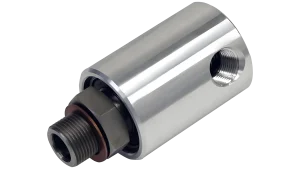
How to choose a high speed rotary joints
In order to enable a part of the pressurized fluid pipeline of the rotary joint to rotate around the axis relative to another concentric part, it is necessary to provide a joint between the two parts and a device for sealing the rotary joint
Read More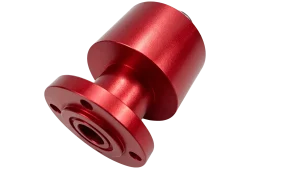
Construction of Thermal Oil Rotary Joint
When evaluating modern industrial process heating solutions, many manufacturing facilities rely on thermal oil systems to safely and effectively manage high temperature heat transfer fluids. If you look at the ongoing debate of steam boilers vs thermal fluid heaters
Read More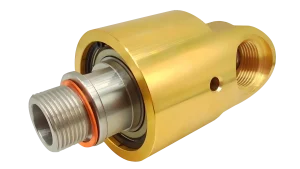
Understanding the Functionality of Rotary Joint
Choosing the right rotary equipment depends heavily on the operating environment. For instance, selecting the right seal material for thermal oil—such as specialized graphite or fluoroelastomers—is critical to withstand extreme heat safely
Read More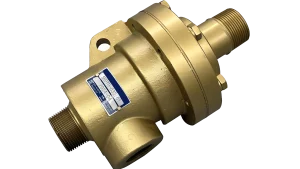
Batch leakage of thermal oil rotary joints
In industrial production lines, the stable operation of thermal oil systems relies on reliable rotary joints. Once a company encounters a rotary joint leakage fault, shutdown for maintenance can cause production capacity loss, skyrocketing maintenance costs, and even serious safety accidents
Read More
Rotating joint in the packaging and printing industry
In the packaging and printing industry, rotary joints play a crucial role in connection and transmission. It can smoothly input liquids such as thermal oil and cooling water from stationary pipelines into printing equipment components that are in a rotating or reciprocating state, and then discharge these media from the rotary joint, perfectly serving as a sealing device for connection
Read More