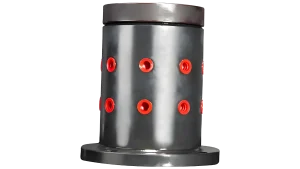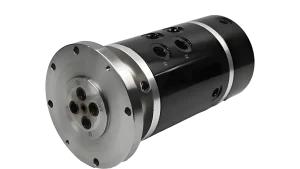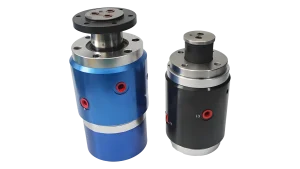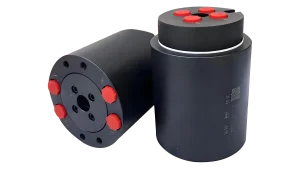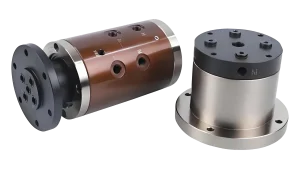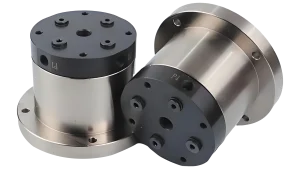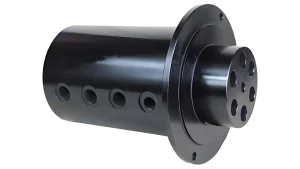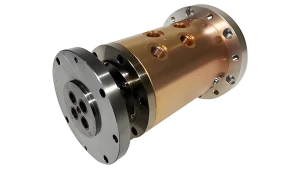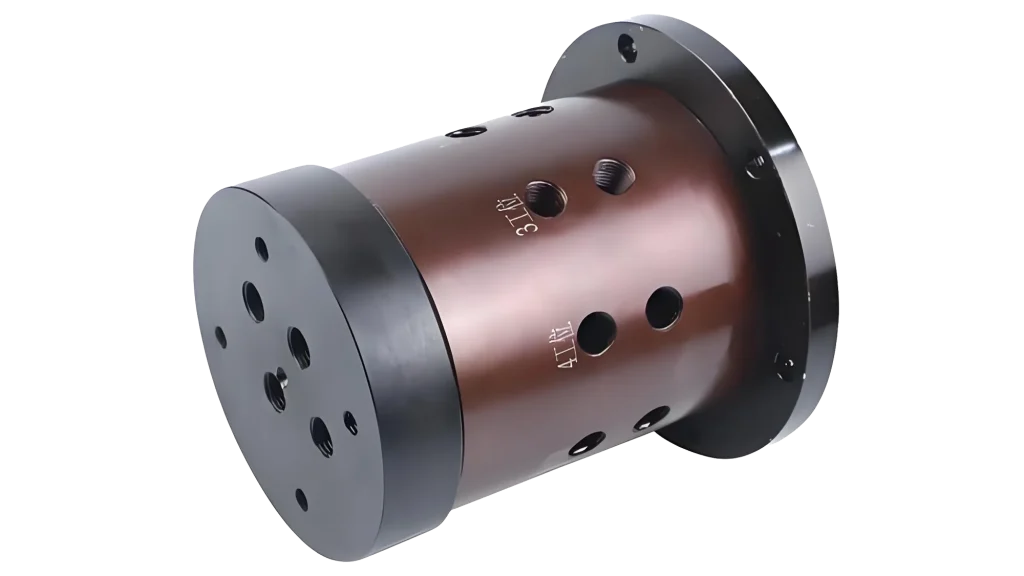
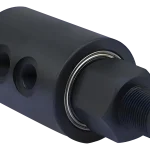
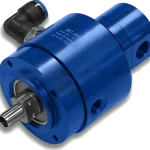
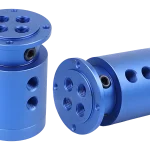
High speed rotating joints of expansion and contraction oil cylinder
- Operating Temperature-30~+80℃
- work pressure30Mpa
- maximum speed6500 r/m
High speed rotating joints of expansion and contraction oil cylinder
High speed rotating joint of expansion and contraction oil cylinder, High speed rotating joints of expansion and contraction oil cylinder, High speed rotating union of expansion and contraction oil cylinder
Supported by two wide and high-precision bearings, the operation is smooth, and the bearings do not require maintenance for life
High speed and high-pressure sealing structure, no contact wear of sealing rings, ensuring long-term trouble free operation of the product;
Lower rotational torque;
Adopting a special product structure, there is no frictional heat generated during high-speed operation;
The rotational torque is not affected by working pressure and temperature;
The working range of the speed is wide, and it can reach up to 6500 RPM at high speeds;
Drain hole design to prevent leakage to the external environment;
Being able to tailor products to meet the needs of customers
Important note:
The K series products adopt a gap sealing structure, and the discharge hole L must be connected to the return oil tank using an oil pipe during installation, and the return oil pipeline must not be blocked to form pressure;
2. There is mutual leakage in the internal channels, and attention should be paid to the compatibility of different fluids to prevent cross contamination;
3. High precision connectors, the working fluid should be filtered before use, with a filtration accuracy of not less than 10 μ m;
4. The increase in temperature will reduce the viscosity of hydraulic oil, causing an increase in internal leakage. A cooling device is required during use;
5. The hydraulic system needs to have an automatic pressure regulator to compensate for pressure loss caused by internal leakage in the joints