Asphalt rotary joints
Modern asphalt distribution trucks generally have four fluid systems, namely hydraulic transmission system, thermal oil heating system, and asphalt distribution system
System and compressed air system.
Asphalt rotary joints
Asphalt rotary joint, Asphalt rotary joints, Asphalt rotary unions, Asphalt rotary union, Asphalt swivel union, Asphalt swivel unions, Asphalt swivel joint, Asphalt swivel joints
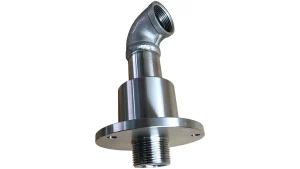
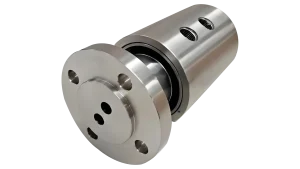
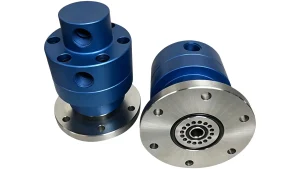
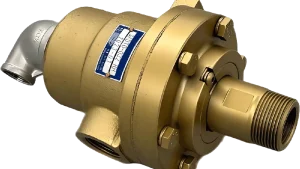
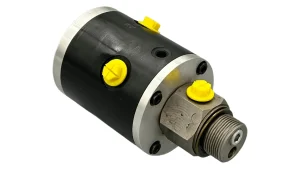
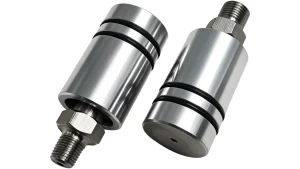
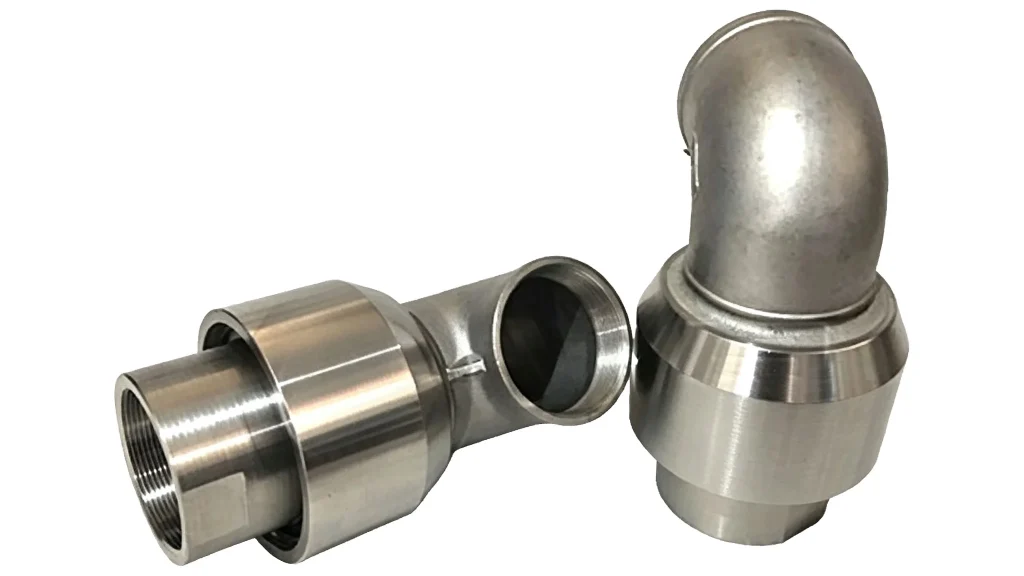
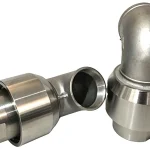
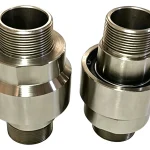
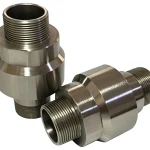
An asphalt rotary joint is a heavy-duty rotary sealing device engineered to transfer hot asphalt, bitumen, thermal oil, and related high-temperature fluids between stationary supply lines and rotating equipment. Designed for asphalt mixing plants, storage tanks, loading arms, and hot-mix equipment, this product maintains reliable sealing under continuous rotation while handling viscous media at elevated temperatures.
This product page presents the complete structure, technical parameters, and engineering features of the asphalt rotary joint. The information reflects practical experience with high-temperature rotary sealing and is intended to help engineers and maintenance teams select a durable, leak-free solution for hot asphalt and bitumen transfer.
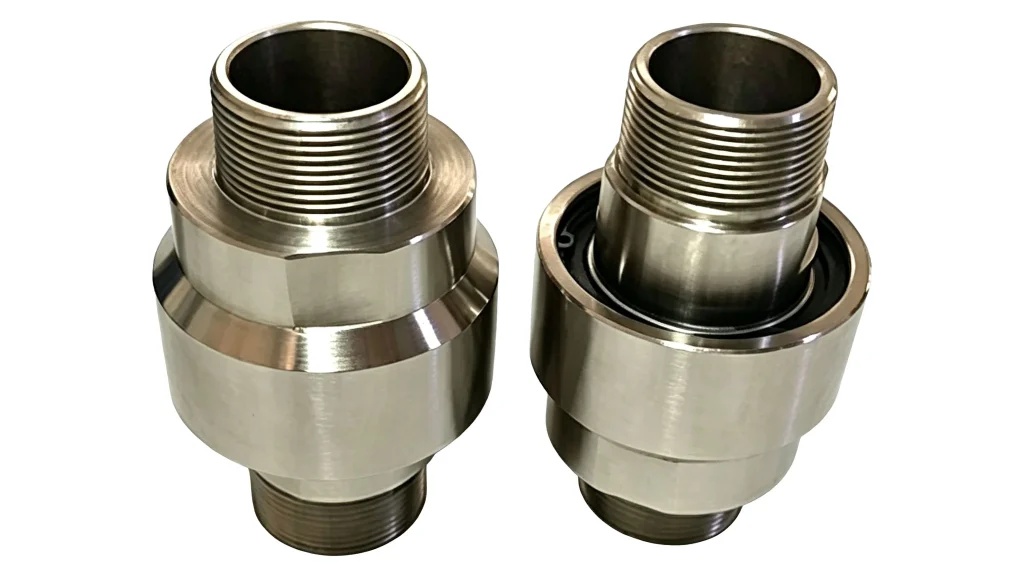
Product Overview
The asphalt rotary joint solves the challenge of feeding hot, viscous fluid into rotating drums, tanks, or loading arms without allowing leakage or solidification at the seal interface. It connects the stationary supply pipe to the rotating component, providing a continuous flow path while preventing environmental contamination and heat loss. The product is built with heat-resistant materials and high-temperature seals that remain flexible and effective in demanding asphalt processing conditions.
Typical media include hot asphalt cement, modified bitumen, cutback asphalt, emulsified asphalt, and thermal transfer oil. Seal materials are selected for compatibility with these aggressive, high-temperature fluids. The compact design simplifies integration into existing asphalt plant layouts while supporting the long maintenance intervals required in continuous production environments.
Product Structure and Main Components
1. Stationary Housing
The stationary housing is the fixed outer body that connects to the hot-fluid supply line. It is machined from carbon steel or stainless steel and designed to withstand internal pressure, external impact, and high surface temperatures. Internal passages are sized to allow viscous asphalt to flow without excessive pressure drop or plugging. Insulation options may be added to reduce heat loss and protect personnel.
2. Rotating Shaft / Rotor
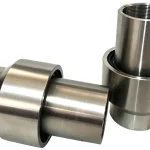
The rotor of the asphalt rotary joint is the inner rotating member that mounts directly to the equipment shaft, drum, or loading arm. It is machined from heat-treated alloy steel or stainless steel with hardened seal surfaces to resist wear and corrosion. The rotor contains outlet ports aligned with the internal flow passages, allowing hot asphalt to reach the rotating component without twisting supply hoses.
3. High-Temperature Seal Assembly
The seal assembly is the core of the asphalt rotary joint. It uses high-temperature mechanical face seals, graphite seals, or engineered polymer seals depending on the application temperature and media. Seal materials such as carbon graphite, bronze-filled PTFE, high-grade fluorocarbon, and specialized asphalt-resistant compounds are selected to resist hardening, sticking, and thermal degradation. Precision lapping of seal faces ensures minimal leakage and long service life.
4. Heat-Resistant Bearings
Heavy-duty bearings support the rotor and maintain smooth rotation under thermal expansion and mechanical load. Bearing types are selected for high-temperature operation and may include sealed or shielded configurations with heat-resistant lubricants. Proper bearing selection prevents shaft deflection and keeps the seal faces properly aligned.
5. Thermal Expansion Compensation
Asphalt processing involves large temperature swings between startup and operating conditions. The asphalt rotary joint incorporates design features that accommodate thermal expansion of the rotor and housing without distorting the seal interface. Spring-loaded seals, flexible bellows, or carefully calculated clearances maintain consistent seal loading as temperatures change.
6. Connection Ports and Flanges
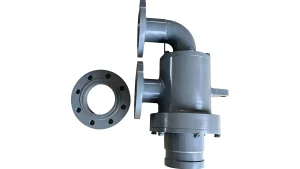
Threaded ports or flanges provide the interface to the plant supply lines. Common sizes include G 1, G 1 1/2, G 2, and ANSI or DIN flanges. Port orientation is designed to keep hot pipes and insulation clear of rotating parts and maintenance access areas. High-temperature gaskets and fasteners are used to prevent leakage at the static connections.
7. External Heat Management
External surfaces may be insulated or fitted with heat shields to maintain fluid temperature and protect nearby components. Some designs include internal heating jackets or steam tracing compatibility to prevent asphalt from cooling and solidifying inside the joint during shutdown. Effective heat management is essential for reliable startup and operation.
Technical Features and Advantages
- High temperature resistance: Handles hot asphalt and thermal oil up to 350°C depending on seal selection.
- Viscous media capability: Large internal passages and smooth flow paths reduce pressure drop and plugging.
- Heavy-duty construction: Steel housings and hardened rotors withstand mechanical impact and thermal shock.
- Thermal expansion compensation: Spring-loaded seals and calculated clearances maintain seal integrity across temperature swings.
- Leak-free operation: Precision-lapped seal faces and balanced seal geometry minimize emissions and product loss.
- Easy maintenance: Seal kits and bearings can be replaced without removing the entire unit from the plant.
- Custom port configurations: Flange, threaded, and special connection options match plant piping standards.
Asphalt Rotary Joint Product Parameters
| Parameter | Specification Range | Notes |
|---|---|---|
| Number of Passages | 1 to 6 passages | Single and multi-circuit options |
| Rated Pressure | 0 to 25 MPa | Higher pressure available as custom design |
| Rated Speed | 0 to 300 rpm | Lower speeds typical for asphalt service |
| Operating Temperature | Up to 350°C | Limited by seal and bearing materials |
| Media Compatibility | Hot asphalt, bitumen, thermal oil, modified asphalt | Seal material selected per medium |
| Connection Ports | G 1, G 1 1/2, G 2, ANSI flange, DIN flange | Custom sizes and patterns available |
| Rotor Diameter | 50 mm to 300 mm | Matched to equipment shaft |
| Seal Materials | Carbon graphite, bronze-filled PTFE, FKM, high-temp polymer | Selected for temperature and media |
| Housing Material | Carbon steel, stainless steel | Corrosion-resistant options available |
| Bearing Type | High-temperature ball bearing, plain bearing | Heat-resistant lubrication required |
| Leakage Rate | Near zero under rated conditions | Depends on alignment, temperature, and seal wear |
| Insulation | Optional external insulation jacket | Reduces heat loss and protects personnel |
| Heating Option | Optional steam tracing or electric heating compatibility | Prevents solidification during shutdown |
| Mounting Style | Flange, threaded, custom adapter | Configured to plant layout |
| Weight | 5 kg to 120 kg | Varies with size and number of passages |
How It Works
The asphalt rotary joint operates on the rotary union principle adapted for high-temperature service. Hot asphalt or thermal oil enters the stationary housing through flanged or threaded ports, flows through insulated internal passages, and crosses the dynamic seal interface into the rotating shaft. From there, the fluid continues into the rotating drum, loading arm, or mixing component.
The dynamic seal uses a stationary seal face pressed against a rotating seal face. Spring force maintains contact as the faces wear and as thermal expansion changes component dimensions. High-temperature seal materials resist sticking and hardening, while precision lapping minimizes leakage. Insulation and optional heating maintain fluid temperature to prevent solidification at startup or during low-load operation.