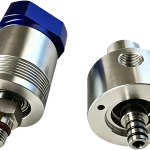
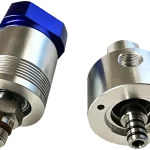
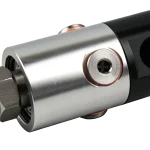
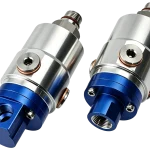
卷绕机用旋转接头
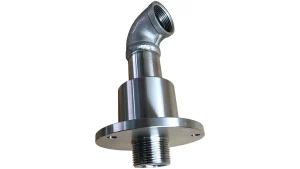
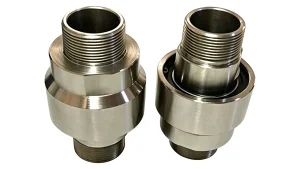
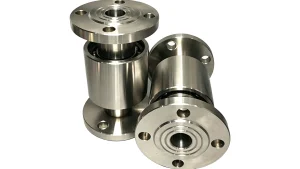
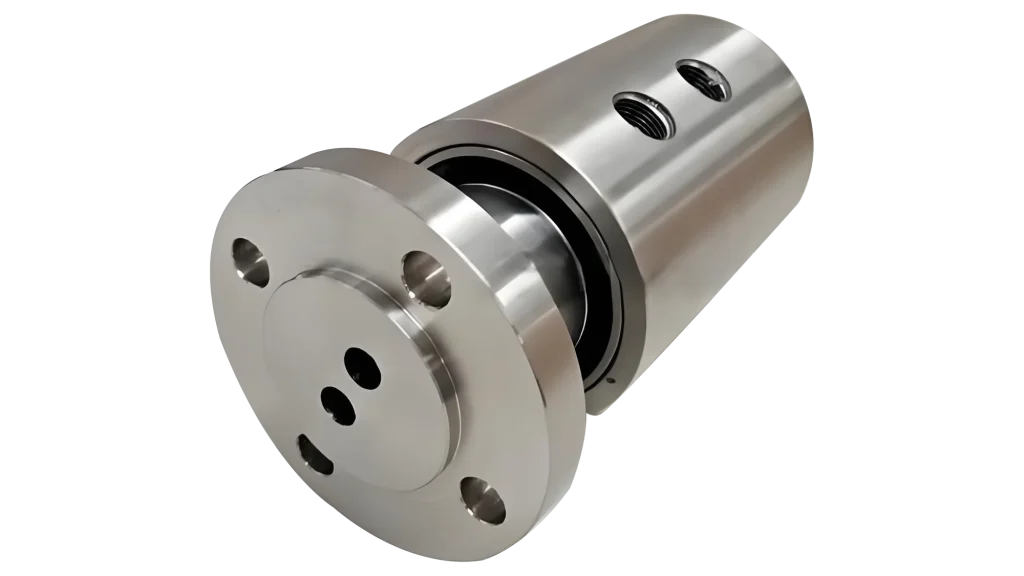
A rotary joint for coiling machine is a precision rotary sealing device that transfers fluids and gases between stationary supply lines and the rotating drum, spool, mandrel, or turntable of a coiling machine
- 工作压力8.0MPA
- 最高速度15000r/min
卷绕机用旋转接头
rotary joints for coiling machine, rotary joint for coiling machine, rotary union for coiling machine, rotary unions for coiling machine, swivel union for coiling machine, swivel unions for coiling machine, swivel joint for coiling machine, swivel joints for coiling machine
A 卷绕机用旋转接头 is a precision rotary sealing device that transfers fluids and gases between stationary supply lines and the rotating drum, spool, mandrel, or turntable of a coiling machine. Designed for wire, cable, hose, pipe, film, tape, and sheet winding applications, this product maintains continuous media flow during high-speed rotation, ensuring consistent tension, cooling, and process control.
This product page presents the complete structure, technical parameters, industry applications, and engineering solutions for the rotary joint for coiling machine. The content reflects practical experience from cable manufacturing, hose production, metal strip processing, and packaging lines where reliable rotary fluid transfer directly affects product quality and uptime.
产品概述
The rotary joint for coiling machine solves the problem of feeding media into a rotating take-up or pay-off unit without twisting hoses or cables. It mounts between the machine frame and the rotating shaft, providing a sealed passage for coolant, compressed air, vacuum, hydraulic oil, or lubricant. Depending on the coiling process, the joint may handle a single medium or multiple independent circuits.
Key requirements for coiling machine service include compact size to fit inside the coiler shaft, low rotational resistance to avoid tension variation, reliable sealing under continuous rotation, and resistance to metal chips, coolant mist, and dust. The product is built to meet these demands while supporting the high speeds common in modern winding lines.
产品结构与主要部件
1. 固定式住房
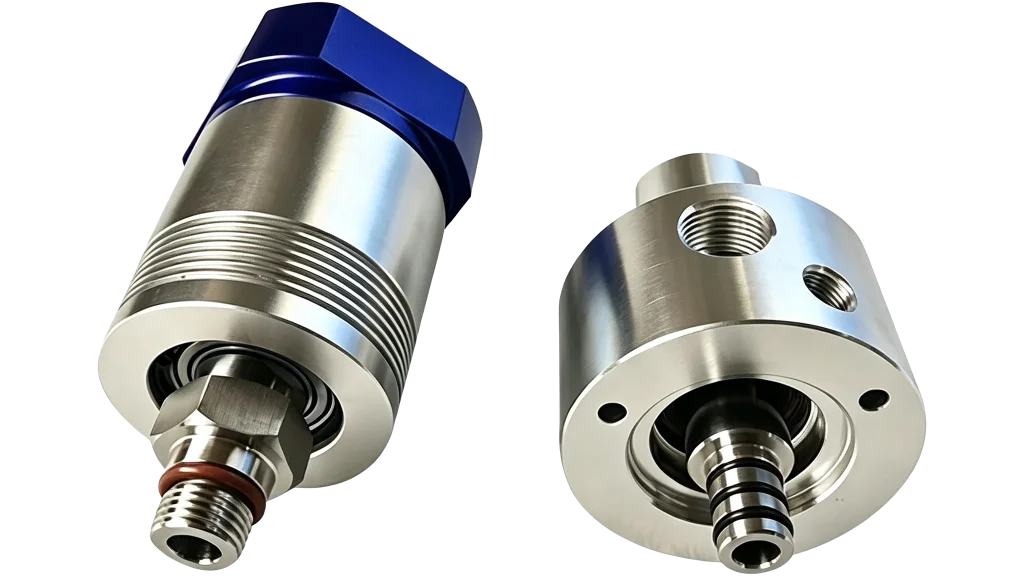
The stationary housing is the fixed outer body that connects to the machine frame and receives supply hoses. It is machined from aluminum alloy, carbon steel, or stainless steel depending on the environment. Internal passages route media to the seal interface, while precision mounting surfaces ensure accurate alignment with the coiler shaft.
2. 旋转轴/转子
The rotor of the rotary joint for coiling machine is the inner rotating member that mounts directly to the coiler drum, mandrel, or drive shaft. It contains outlet ports aligned with the coiling machine’s internal channels. Hardened steel or stainless steel construction resists wear from coolant, dust, and continuous rotation.
3. Dynamic Seal Assembly
The seal assembly forms the pressure boundary between the stationary housing and rotating shaft. Depending on the application, the rotary joint for coiling machine may use mechanical face seals, spring-loaded seal packs, or high-performance polymer lip seals. Seal materials such as NBR, FKM, PTFE, and bronze-filled PTFE are selected for compatibility with coolant, oil, air, or vacuum.
4. Precision Bearings
Sealed or lubricated bearings support the rotor and maintain concentric rotation. Low-friction bearing selection is essential in coiling applications where torque variation can affect material tension. The bearings also absorb minor radial loads caused by connected piping.
5. Connection Ports
Threaded ports, flanges, or quick-connect fittings provide the interface to the machine’s supply lines. Common sizes include G 1/8, G 1/4, G 3/8, and G 1/2. Port orientation is designed to keep hoses clear of the rotating coiler and adjacent machine components.
6. Protective Seals and Shields
External wiper seals and dust shields protect the internal seal faces and bearings from coolant mist, metal chips, fibers, and abrasive particles common in coiling environments. These protective elements extend maintenance intervals and reduce the risk of contamination-induced failure.
技术特点与优势
- Compact hollow-shaft design: Fits inside or around coiler shafts without adding excessive length or diameter.
- Low running torque: Maintains consistent tension control by minimizing resistance to rotation.
- Continuous-duty sealing: Balanced seal faces operate reliably at coiling speeds over hundreds of revolutions per minute.
- Multi-circuit capability: Transfers coolant, air, and hydraulic control signals through a single rotating interface.
- Coolant and chip resistance: Sealed bearings and protective shields handle wet, dirty coiling environments.
- 维护简便: Seal kits and bearing cartridges can be replaced without removing the entire unit from the machine.
- Custom mounting: Flange, threaded, and hollow-bore options match common coiler shaft designs.
Rotary Joint for Coiling Machine Product Parameters
| 参数 | 规格范围 | 注释 |
|---|---|---|
| 段落数 | 1 to 8 passages | 单回路和多回路选项 |
| 额定压力 | 0 to 21 MPa | Higher pressure available on request |
| 额定转速 | 0 to 3,000 rpm | Depends on seal type and balance ratio |
| 工作温度 | -20°C to +150°C | Limited by seal material |
| 媒体兼容性 | Coolant, compressed air, vacuum, hydraulic oil | 根据介质选择密封材料 |
| Bore / Shaft Diameter | 10 mm to 100 mm | Matched to coiler shaft size |
| 连接端口 | G 1/8, G 1/4, G 3/8, G 1/2 | Custom thread and flange options |
| 密封材料 | NBR, FKM, PTFE, bronze-filled PTFE | Selected for media and temperature |
| 外壳材料 | Aluminum alloy, carbon steel, stainless steel | Lightweight or corrosion-resistant options |
| 轴承类型 | Deep-groove ball, angular contact | Low-friction options for tension control |
| 泄漏率 | 在额定工况下接近零 | Depends on alignment and seal wear |
| Protection Level | IP54 to IP65 | Suitable for wet and dusty coiling environments |
| 安装方式 | Flange, threaded, hollow-shaft | Configured to coiler machine layout |
| 重量 | 0.3 kg to 25 kg | 根据尺寸和通道数量而异 |
工作原理
The rotary joint for coiling machine operates on the rotary union principle. Media enters the stationary housing through threaded ports, flows through precision-machined internal passages, and crosses the dynamic seal interface into the rotating shaft. From there, the media continues through the coiler shaft to the drum, mandrel, or tooling where it is needed.
The dynamic seal uses a stationary seal face pressed against a rotating seal face. Spring force or hydraulic pressure maintains contact as the faces wear. A microscopic fluid film between the faces provides lubrication while limiting leakage. Proper balance ratio, surface finish, and alignment are essential for long seal life and stable coiling tension.
Industry Applications and Engineering Solutions
Wire and Cable Coiling
Wire drawing and cable stranding lines use take-up machines that coil finished product onto reels at high speed. The rotary joint for coiling machine supplies coolant to the coiler drum to prevent heat buildup and maintains vacuum or air pressure for tension control. Multi-passage models allow coolant and pneumatic control to share the same rotating axis.
Hose and Pipe Winding
Extruded hose, pipe, and tubing are wound onto drums immediately after production. Cooling water or air must reach the rotating drum to stabilize the product shape. The product transfers these media continuously while the drum rotates, eliminating the need for flexible hoses that fatigue and leak.
Metal Strip and Foil Coiling
Steel strip, aluminum foil, and copper tape winding lines operate at high tension and speed. The rotary joint for coiling machine delivers coolant or lubricant to the coiler mandrel and may provide hydraulic pressure for expansion and collapse functions. Low torque and precise balance prevent tension fluctuations that could damage thin material.
Film, Tape, and Sheet Winding
Plastic film, adhesive tape, and paper sheet winding machines require clean, consistent operation. The product transfers air for core expansion, vacuum for web holding, or coolant for temperature control. Smooth rotation and leak-free sealing protect product quality in clean-room and dust-sensitive environments.
Rope and Fiber Coiling
Rope, fiber, and textile winding machines use rotating take-up reels that may require pneumatic or hydraulic functions. The rotary joint for coiling machine supports these auxiliary circuits while keeping the winding path clear of hoses and fittings.
Selection Guide
Specify the right product by documenting the following conditions:
- Coiler shaft diameter and mounting style.
- Maximum rotational speed and duty cycle.
- Media type, pressure, and temperature for each circuit.
- Required flow rate and allowable pressure drop.
- Ambient conditions such as coolant mist, dust, fibers, or chemicals.
- Torque sensitivity of the winding process.
- Maintenance access and expected service interval.
High-speed coiling requires balanced mechanical seals and precision bearings to minimize heat and torque. Heavy coolant flow demands larger internal passages and port sizes. Contaminated environments need robust external sealing and chip shields. Matching these factors to the product specification ensures reliable operation and long seal life.