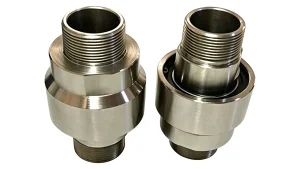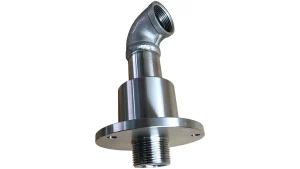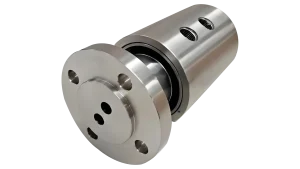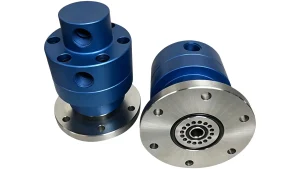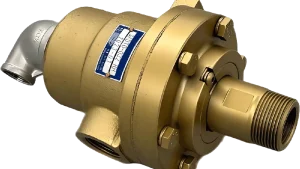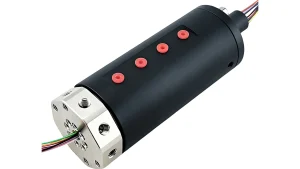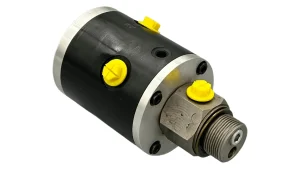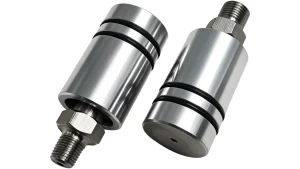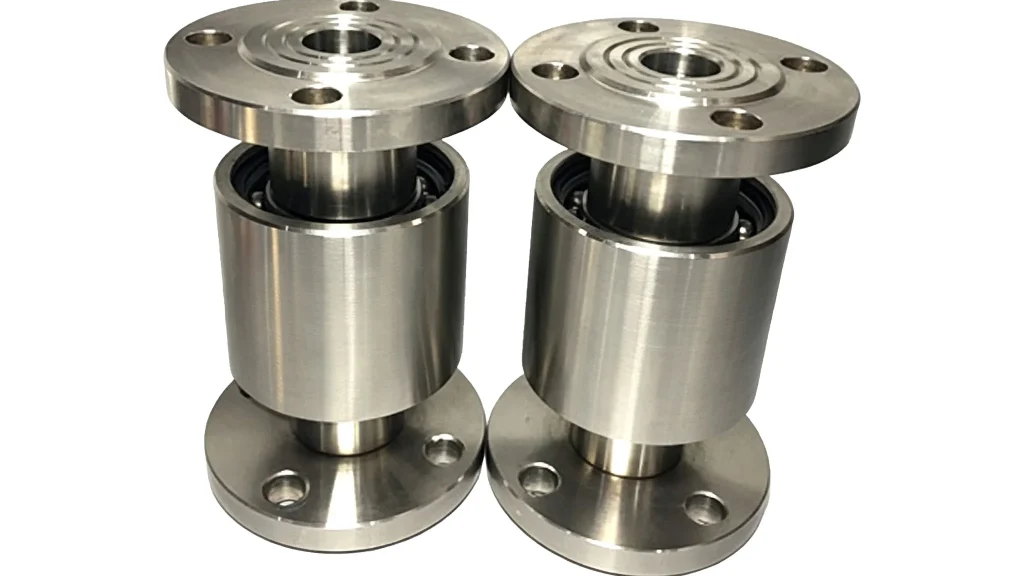
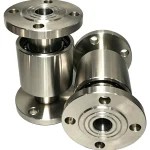
耐低温旋转接头
The utility model of low-temperature resistant rotary joint fixedly connects the inner ring and the lower flange, and the upper flange is fixedly connected to the outer ring. In this way, when replacing the nitrogen sealing device, there is no need to disassemble the inner and outer rings. Only the lower flange needs to be loosened to replace the nitrogen sealing device, solving the problem of inconvenient disassembly of the nitrogen sealing device.
耐低温旋转接头
耐低温旋转接头,耐低温旋转接头,耐低温旋转接合器,耐低温旋转接合器,耐低温旋转接合装置,耐低温旋转接合装置,耐低温旋转接头,耐低温旋转接头
Selecting the right low temperature resistant rotary joints is a critical engineering decision that directly impacts the reliability of arctic processing plants, cold storage logistics, LNG transfer systems, and cryogenic manufacturing equipment. The extreme thermal environments encountered in sub-zero operations—ranging from standard industrial refrigeration down to cryogenic temperatures approaching -200°C—demand rotary fluid interfaces that maintain consistent sealing performance, structural integrity, and operational safety under severe cold shock and thermal contraction. A low-temperature-capable rotary union must not only deliver uninterrupted fluid transfer but also resist seal embrittlement, accommodate differential thermal contraction between dissimilar materials, and comply with stringent pressure and leakage standards. This guide provides a thorough technical analysis of cold-service rotary seal technology, covering design principles, material selection, application scenarios, and procurement criteria to help engineers identify the optimal solution for their specific operational requirements.
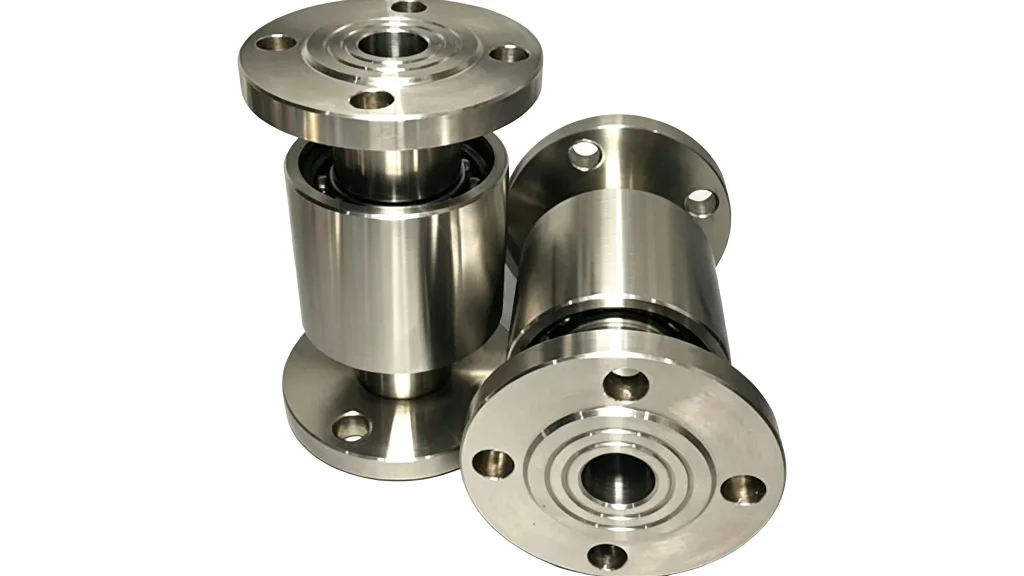
Quick Preview: Cold-Service Rotary Joint Portfolio Overview
| Type / Series | Application Environment | Core Features | Certifications |
|---|---|---|---|
| Arctic Process Rotary Joint | Outdoor pipelines & processing in polar regions | Structural steel rated to -60°C, ice-resistant seals, heated jacket options | ISO, API, ASME |
| Cryogenic Fluid Rotary Union | LNG, liquid nitrogen, liquid oxygen transfer | Stainless steel construction, PTFE/PCTFE seals, vacuum-insulated option | ISO, CE, ASME |
| Cold Storage Conveyor Rotary Joint | Freezer tunnels & refrigerated distribution | Food-grade materials, low-torque seals, continuous duty rating | FDA, ISO, EHEDG |
| LNG Loading Arm Swivel | Marine & truck LNG loading/unloading | Double counter-rotation, emergency release, leak detection ports | ISO, ASME, DNV |
| Supercritical CO2 Rotary Joint | Carbon capture & extraction systems | High-pressure rating, low-temp elastomer alternatives, corrosion resistance | ASME, ISO |
| Space Simulation Rotary Union | Vacuum chambers & thermal vacuum testing | Outgassing-compliant materials, wide ΔT capability, metallic seals | ISO, NASA-STD |
| Refrigerant Compressor Rotary Joint | Industrial refrigeration & heat pumps | Chemical compatibility with R-134a, R-410A, ammonia, CO2 | ISO, CE |
| Wind Turbine Cold-Climate Rotary Joint | Offshore & arctic wind turbine hydraulics | Low-temp hydraulic fluid compatibility, sealed for life, maintenance-free | ISO, DNV |
| Portable Cryogenic Transfer Coupling | Mobile tanks & laboratory cryogen handling | Lightweight aluminum body, quick connect, bayonet lock | CE, ISO |
1. What Are Cryogenic-Grade Rotary Interfaces?
Cryogenic-grade rotary interfaces are precision mechanical devices engineered to transfer fluids, gases, or slurries between stationary supply lines and rotating equipment while maintaining reliable seals at temperatures well below conventional operating ranges. Unlike standard rotary unions rated only for ambient or moderately elevated temperatures, cold-service designs incorporate specialized seal compounds, material selections, and structural configurations that compensate for thermal contraction, reduced elastomer flexibility, and increased viscosity of process media.
The fundamental construction of a low-temperature rotary joint consists of a stationary inlet housing, a rotating outlet adapter, a spring-loaded seal assembly maintaining contact between stationary and rotating faces, and bearings or guide bushings supporting the rotating member. As temperature drops, conventional nitrile or fluorocarbon seals lose elasticity and leakage resistance, while metallic components contract at different rates according to their coefficients of thermal expansion. Cold-resistant designs address these challenges through material pairing, seal geometry optimization, and sometimes active heating or insulation strategies.
Modern cold-service rotary unions have evolved from simple chilled-water unions for paper and textile machinery to sophisticated multi-passage systems serving LNG regasification terminals, cryogenic filling stations, superconducting magnet cooling loops, and aerospace thermal vacuum facilities. These advanced designs may integrate multiple independent fluid passages, electrical slip rings for sensor signals, and fiber optic rotary joints for high-speed data transmission, all within a single compact assembly rated for extreme thermal gradients.
Core Design Philosophy
- Thermal contraction management: Matched material coefficients and flexible seal geometry prevent leakage as metal and elastomer components shrink at low temperatures.
- Seal material resilience: PTFE, PCTFE, UHMWPE, special fluoroelastomers, or metal seals selected for retained flexibility and sealing force at target operating temperatures.
- Structural integrity: Austenitic stainless steels, aluminum alloys, and nickel-based materials that maintain toughness and ductility across the full temperature range.
- Leak containment: Secondary containment chambers, leakage detection ports, and double-seal arrangements for hazardous or valuable cryogenic fluids.
- Operational safety: Pressure ratings verified at minimum design temperature, with burst testing and thermal cycling qualification to relevant codes.
2. Key Engineering Features of Cold-Service Rotary Unions
The engineering requirements for cryogenic-grade rotary interfaces extend significantly beyond those of general-purpose rotary unions. The following technical features distinguish cold-service designs and directly influence field reliability and total cost of ownership.
2.1 Seal Technology for Extreme Cold
Seals represent the most critical component in any low-temperature rotary joint. Polytetrafluoroethylene (PTFE) and polychlorotrifluoroethylene (PCTFE) compounds dominate cryogenic applications because they retain reasonable ductility and chemical inertness at temperatures where conventional elastomers become glassy and brittle. For temperatures below -150°C, spring-energized metal seals using stainless steel or Inconel jackets with internal helical springs provide consistent sealing force despite thermal contraction. Advanced cold-service designs may employ cryogenic-qualified O-rings made from specialized fluoroelastomer compounds or perfluoroelastomers (FFKM) formulated specifically for retained elasticity at -40°C to -60°C.
2.2 Material Selection and Thermal Compatibility
Material pairing is essential to prevent binding, leakage, or fatigue failure caused by differential contraction. Austenitic stainless steels such as 316L and 304L are preferred for housings and shafts due to their face-centered cubic crystal structure, which maintains toughness and avoids ductile-to-brittle transition at low temperatures. Aluminum alloys such as 6061-T6 or 7075-T6 offer excellent low-temperature strength-to-weight ratios and are often used in portable cryogenic equipment. Bronze or nickel-aluminum bronze bushings provide bearing surfaces with compatible contraction characteristics against stainless steel shafts. For the most demanding cryogenic duties, Inconel 718, titanium, or monel components may be specified to manage extreme thermal gradients and aggressive media.
2.3 Thermal Insulation and Frost Management
In many low-temperature applications, atmospheric moisture condenses and freezes on cold external surfaces, creating ice buildup that can jam rotating components, block access for maintenance, and accelerate corrosion. Well-engineered cold-service units incorporate features such as extended stem lengths to position bearings and seals away from the coldest zone, purge gas ports to exclude atmospheric moisture, and optional vacuum-jacketed or foam-insulated housings. Heated jackets using glycol, steam, or electric trace heating maintain surface temperatures above the dew point in arctic outdoor installations where ice formation would otherwise compromise operation.
2.4 Pressure and Vacuum Capability
Cold-service rotary unions must maintain pressure integrity across wide temperature excursions. Cryogenic fluids such as liquid nitrogen and LNG are typically stored and transferred at elevated pressure to maintain liquid state, requiring pressure ratings commonly ranging from 10 bar to 100 bar or higher. Conversely, some applications such as cryopump cooling lines operate under deep vacuum. Cryogenic-grade rotary interfaces are therefore qualified for both positive pressure and vacuum service with helium leak testing to confirm seal integrity at design temperature extremes.
3. Primary Applications of Cold-Service Rotary Unions
Cold-service rotary unions serve numerous critical functions across industries that handle refrigerated, cryogenic, or arctic process media. Understanding these application contexts helps engineers align product specifications with operational demands.
3.1 LNG Production, Storage, and Distribution
The liquefied natural gas industry represents one of the largest markets for sub-zero rotary seal technology. These devices enable continuous rotation of loading arms, marine transfer hoses, tanker truck unloading systems, and regasification vaporizers while maintaining leak-tight transfer of LNG at approximately -162°C. In LNG receiving terminals, large-diameter swivel joints allow articulated pipework to move with tide, wind, and vessel motion without stressing rigid piping. Cryogenic rotary unions in this sector must comply with international codes including ISO 16903, EN 1473, and NFPA 59A, with materials and welding procedures qualified for low-temperature toughness.
3.2 Cryogenic Gas Filling and Industrial Gas Handling
Industrial gas companies rely on cold-service rotary joints in liquid nitrogen, oxygen, argon, and carbon dioxide filling stations. These applications require compact, lightweight, and highly reliable unions that can connect mobile tanks, trailers, and stationary storage vessels while allowing necessary hose rotation. Cleanliness is paramount for oxygen service, requiring degreased surfaces and materials compatible with high-purity oxidizing media. Arctic-grade rotary interfaces for these applications often feature quick-connect interfaces, internal safety vents, and visible leak indicators for operator safety.
3.3 Arctic and Sub-Arctic Oil and Gas Operations
Onshore and offshore petroleum facilities in polar regions use cold-rated rotary unions in drilling rigs, production equipment, and pipeline systems exposed to ambient temperatures below -40°C. These devices transfer hydraulic control fluids, glycol-based heat transfer media, and instrument air while resisting brittle fracture of housings and seals. Arctic-grade designs often incorporate heated enclosures, low-temperature lubricants, and materials tested to Charpy V-notch impact requirements at the minimum design temperature.
3.4 Food Processing and Cold Storage Logistics
Refrigerated food processing equipment such as spiral freezers, blast chillers, and IQF tunnels use sub-zero rotary seals to supply refrigerant, glycol, or cryogenic gases to rotating conveyor drums and product tumblers. In these hygiene-critical applications, materials must meet food-grade standards with smooth finishes that resist bacterial adhesion and allow clean-in-place procedures. Low-torque seals reduce the energy required to drive conveyor systems, while stainless steel construction ensures corrosion resistance in washdown environments.
3.5 Aerospace, Defense, and Scientific Research
Spacecraft propulsion test facilities, thermal vacuum chambers, and superconducting magnet cooling systems require rotary unions capable of operating at cryogenic temperatures while maintaining ultra-low leak rates. These specialized extreme-cold rotary interfaces may incorporate metallic bellows seals, inductive heating prevention, and materials selected for low outgassing in vacuum environments. Precision balancing and low vibration characteristics are essential for rotating cryogenic transfer lines in test stands and research facilities.
4. Detailed Technical Specifications
The following comprehensive specification table outlines typical performance parameters and configuration options available for cold-service rotary unions. Actual specifications should be confirmed against project-specific requirements and environmental conditions.
| Parameter Category | Specification Range / Options | 注释 |
|---|---|---|
| 工作温度 | -20°C to -273°C (application dependent) | Common ranges: -40°C, -60°C, -100°C, -196°C, -253°C |
| Pressure Rating | Vacuum to 100+ bar | Higher pressures available with reinforced designs |
| Bore Size | 6 mm to 300+ mm | Large-bore designs for high-flow LNG and cryogen transfer |
| 段落数 | 1 to 12+ passages | Independent channels for different media or circuits |
| Operating Speed | 0 to 3,000 rpm (typical) | High-speed designs balanced for minimal vibration |
| 密封材料 | PTFE, PCTFE, UHMWPE, FFKM, FKM, spring-energized metal | Selected per temperature and chemical compatibility |
| Housing Materials | 316L SS, 304L SS, 904L SS, aluminum, Inconel, Monel, titanium | Impact-tested for low-temperature applications |
| Connection Types | Threaded NPT/BSP, flanged ANSI/DIN/ISO, sanitary tri-clamp, quick-connect | Special end fittings available per client piping |
| 泄漏率 | <1×10⁻⁶ mbar·L/s (helium test, cryogenic designs) | Higher tolerance for non-critical industrial applications |
| Torque at Operating Speed | 0.5 N·m to 50+ N·m | Dependent on seal preload, diameter, and temperature |
| Thermal Shock Capability | ΔT up to 250°C (custom designs higher) | Validated by thermal cycling qualification testing |
| Insulation Options | Vacuum jacket, foam insulation, heat tracing, purge gas barrier | Reduces boil-off and prevents external ice formation |
| Compliance Standards | ASME B31.3, ISO 16903, EN 1473, FDA 21 CFR, API, NASA-STD | Project-specific certification scope determined per application |
| Life Expectancy | 5 to 20+ years (application dependent) | Seal replacement intervals shorter than structural life |
| Maintenance Access | Seal cartridge replacement, in-situ inspection ports | Designs range from throwaway to fully rebuildable |
5. Rotary Joint Types and Selection Guidance
Choosing the correct cryogenic-grade rotary interface requires systematic evaluation of operating temperature, pressure, media, speed, and integration constraints. The following sections outline the principal design categories and their optimal deployment contexts.
5.1 Single-Passage vs. Multi-Passage Designs
Single-passage rotary joints transfer one fluid stream through a rotating interface and represent the simplest and most cost-effective configuration for applications such as chilled drum cooling, single refrigerant lines, or individual cryogen fill hoses. Multi-passage designs incorporate several independent channels within one body, allowing simultaneous transfer of different media—such as refrigerant supply and return, hydraulic control fluid, and instrument air—through a common rotary interface. Low-temperature-capable units with multiple passages are widely used in complex process machinery where space constraints and alignment precision make separate single-passage units impractical.
5.2 Balanced Mechanical Seal vs. O-Ring Seal Configurations
Balanced mechanical seal designs use a precision lapped sealing face maintained in contact by springs or bellows, with hydraulic balance reducing seal face loading and extending service life. These designs excel in high-pressure, high-speed, or continuous-duty applications where minimal leakage and long maintenance intervals are required. O-ring and lip-seal configurations offer simpler construction, lower cost, and easier field replacement, making them suitable for lower-pressure industrial refrigeration and food processing applications. The choice between seal types for sub-zero rotary unions depends on the combination of pressure, speed, temperature, allowable leakage, and maintenance philosophy.
5.3 Metallic Bellows and Face Seal Designs
For ultra-high-purity cryogenic service or applications where elastomer contamination is unacceptable, metallic bellows rotary joints provide a completely polymer-free fluid path. Formed metal bellows accommodate axial and angular motion while maintaining a leak-tight barrier, and precision face seals with silver-plated or nickel-coated surfaces offer low-torque, long-life operation. These specialized cryogenic rotary interfaces are common in semiconductor manufacturing, superconducting magnet cooling, and aerospace propellant handling systems.
5.4 Vacuum-Jacketed and Insulated Assemblies
Minimizing heat leak is critical in cryogenic transfer to reduce boil-off and maintain process efficiency. Vacuum-jacketed rotary joints incorporate an inner fluid-carrying path surrounded by an evacuated annular space with multi-layer insulation, dramatically reducing radiant and convective heat transfer. These advanced cold-service assemblies are specified for LNG bunkering, space launch facilities, and high-purity cryogen distribution systems where thermal losses must be minimized.
6. Installation, Commissioning, and Maintenance Protocols
Proper installation and disciplined maintenance regimes significantly influence the field performance and operational lifespan of sub-zero rotary unions. Adherence to manufacturer guidelines and industry best practices minimizes premature seal failure and unplanned downtime.
6.1 Installation Best Practices
During installation, alignment accuracy is critical. The stationary housing must remain fixed while the rotating member is allowed to turn without side loading, bending moments, or axial over-constraint. Flexible hoses or expansion loops should be installed adjacent to the rotary joint to absorb piping thermal contraction and vibration. For cryogenic service, cold-box installation procedures must avoid moisture ingress during cooldown, and all connections should be leak-tested at room temperature before the system is brought to operating temperature. Pre-cooling at controlled rates prevents thermal shock damage to seals and housings.
6.2 Commissioning and Acceptance Testing
Post-installation commissioning should verify torque-free rotation at ambient temperature, followed by controlled cooldown and leak testing at operating temperature. Helium mass spectrometer leak testing provides the most sensitive detection method for cryogenic designs. For hazardous fluids, pressure testing to 1.5 times design pressure confirms structural integrity. Operational acceptance should include monitoring of torque, vibration, and external frost patterns during the first full thermal cycle to confirm correct behavior of the cold-service rotary interface.
6.3 Maintenance Strategies
Preventive maintenance intervals for cold-service rotary unions depend heavily on operating severity and seal type. Mechanical seal designs may run for several years between seal replacements in clean, stable cryogenic service, while O-ring designs in industrial refrigeration may require more frequent inspection due to thermal cycling and lubricant degradation. Condition monitoring including torque trending, vibration analysis, and external leak detection enables predictive maintenance strategies. Seal replacement should be performed using manufacturer-qualified kits, with all mating surfaces inspected for scoring, corrosion, or thermal damage before reassembly.
7. Quality Assurance and Industry Standards
Reliable manufacturing of cryogenic-grade rotary interfaces demands rigorous quality management systems and comprehensive testing protocols. Reputable suppliers maintain ISO 9001 certification as a baseline, with additional certifications for pressure equipment, food contact, and cryogenic applications as required.
7.1 Design Validation Testing
Prototype and qualification testing for cold-service rotary joints typically includes low-temperature impact testing of pressure-retaining materials, seal material compression set evaluation at minimum operating temperature, thermal cycling between ambient and cryogenic extremes, pressure cycling, and torque versus temperature characterization. Salt spray testing confirms corrosion resistance for arctic outdoor applications, while vacuum bake-out and helium leak testing verify suitability for space simulation service.
7.2 Material Traceability and Certification
Pressure-retaining components require full material traceability with mill test certificates verifying chemical composition, mechanical properties, and impact toughness at design minimum temperature. Weld procedures and welder qualifications must comply with applicable pressure vessel codes. Seal materials require batch certification confirming compound formulation, low-temperature flexibility, and compatibility with the specific process fluid. For oxygen service, cleaning and degreasing documentation must demonstrate removal of hydrocarbons and particulates.
7.3 Third-Party Certification
Beyond internal testing, independent third-party certification provides assurance of compliance with recognized standards. Pressure Equipment Directive (PED) or ASME Boiler and Pressure Vessel Code review confirms pressure safety. API compliance supports oil and gas applications. Food-grade certifications such as FDA and EC 1935/2004 are required for food processing equipment. Cryogenic and LNG applications may require classification society review (DNV, ABS, Lloyd’s Register) or conformity to ISO 16903 and EN 1473.
8. Frequently Asked Questions About Cold-Service Rotary Joints
Low temperature resistant rotary joints use seal materials, housing alloys, and structural designs specifically qualified for sub-zero operation. Standard rotary unions with conventional nitrile or Buna-N seals will harden, shrink, and leak at low temperatures, whereas cold-service designs maintain sealing force and structural integrity across the intended temperature range.
Specialized designs are available for temperatures approaching absolute zero, with common commercial ranges extending to -196°C for liquid nitrogen service, -253°C for liquid hydrogen, and -269°C for liquid helium in research applications. The practical lower limit depends on seal technology, with spring-energized metal seals enabling the most extreme cryogenic conditions.
Yes, properly specified cold-service rotary unions can handle both liquid and gaseous phases, including two-phase flow conditions. Two-phase operation requires careful attention to pressure drop, cavitation avoidance, and thermal shock management. Seal selection must account for the specific phase or mixture expected during normal and transient operating conditions.
Ice formation can be minimized through vacuum jacketing, foam insulation, heat tracing, or purge gas systems that keep external surfaces above the local dew point. Extended stem designs place bearings and seals in warmer zones, while hydrophobic external coatings reduce ice adhesion in severe arctic conditions.
Maintenance intervals vary widely depending on operating temperature, pressure cycling, media cleanliness, and seal type. Clean, stable cryogenic services with mechanical seals may operate 3 to 5 years between seal replacements. More severe industrial refrigeration applications with frequent thermal cycling may require annual inspection and seal replacement.
Yes, but oxygen service requires special material selection and cleaning procedures. All hydrocarbon residues must be removed, and materials must be compatible with high-velocity oxygen flow to prevent ignition. Designs for oxygen service typically use metal seals or oxygen-cleaned fluoropolymer seals with documented cleaning and packaging protocols.
Accurate specification requires definition of minimum and maximum operating temperature, pressure range, media composition and phase, flow rate, rotational speed, allowable leakage, connection type, installation orientation, ambient conditions, and required certifications. Engaging with an experienced cold-service rotary joint engineering team early in the project ensures that material selection, seal design, and qualification testing align with overall project schedules and safety requirements.
Conclusion
Cold-service rotary interfaces represent an essential enabling technology for industries that process, transfer, or utilize fluids at sub-zero and cryogenic temperatures. From LNG marine loading arms and industrial gas filling stations to arctic oil and gas facilities and aerospace thermal vacuum systems, these precision rotary interfaces must maintain leak-tight performance while managing thermal contraction, material brittleness, and ice formation challenges. Selecting the optimal cold-service rotary union requires thorough understanding of temperature extremes, media properties, pressure conditions, and certification requirements—factors that this guide has addressed in detail. By aligning technical specifications with proven engineering practices and disciplined maintenance protocols, operators can achieve reliable rotary fluid transfer performance that supports safe, efficient, and uninterrupted operation across the full spectrum of low-temperature industrial applications.