not to immediately apply pressure after installing the rotary joint
7In modern industrial production, rotary joints are widely used as important connecting components in various mechanical equipment. However, many customers...
View details rotary joints
Search the whole station
Precautions for using rotary joints to transmit fuel gas
In the industrial field, rotary joints are a common device used to connect fixed pipelines and rotating components, thereby achieving fluid transmission. Especially in the transmission process of fuel gas, the application of rotary joints is particularly widespread. However, in practical operation, neglecting the correct operation and maintenance methods may lead to serious safety hazards. Therefore, this article will discuss the precautions for using rotary joints to transmit fuel gas.
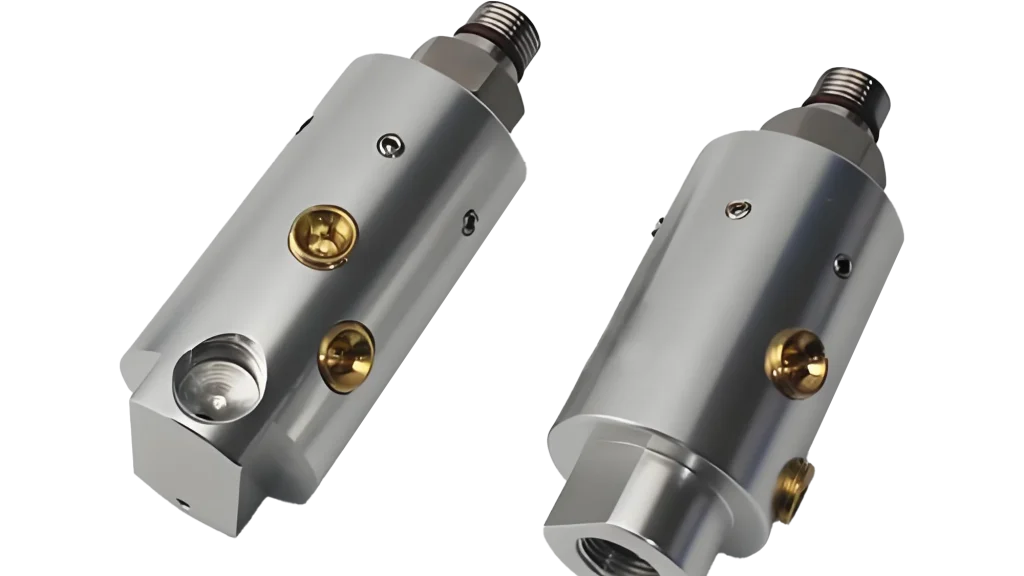
1. Flow control: Ensure the correct flow of fuel gas
Fuel gas must strictly follow the specified flow direction when passing through the rotary joint. Normally, fuel gas should flow in from the sleeve side and out from the plug side. This flow design not only effectively reduces the possibility of gas reflux, but also avoids equipment damage caused by reverse flow. In addition, special attention should be paid to the sealing material used for the external threaded part when installing the rotary joint. It is recommended to use standard thread sealing materials to ensure optimal sealing performance at the interface. This step is crucial for preventing gas leaks.
2. Installation torque: Avoid excessive tightening
During the installation of rotary joints, the degree of thread tightening is another key issue that needs to be closely monitored. Excessive tightening torque may cause structural damage to the rotating joint, thereby affecting the overall performance of the equipment. Therefore, during the installation process, it is necessary to strictly follow the recommended torque values provided by the manufacturer. This can ensure the sealing effect of the joint and extend its service life. At the same time, operators also need to regularly check the status of the threaded connection parts. Once any abnormalities are found, they should be dealt with in a timely manner to avoid causing bigger problems.
3. Pressure and temperature: comply with usage restrictions
The design of rotary joints has clear pressure and temperature usage ranges, and exceeding these parameter ranges may cause irreversible damage to the equipment. For example, when the working pressure is too high, the sealing components inside the rotary joint may deform or even break due to excessive stress; In extreme high temperature environments, sealing materials may also experience aging, thereby increasing the risk of leakage. Therefore, in practical applications, operators need to closely monitor the working status of the system to ensure that all parameters are within a safe range. Once overpressure or overheating is detected, immediate measures should be taken to reduce the load or shut down for maintenance.
4. Prohibition of human destruction: maintain a clean environment
As a precision mechanical component, any human damage to the rotary joint will have a negative impact on its function. For example, arbitrary disassembly, impact, or other improper operations may cause misalignment or damage to the internal components of the joint. In addition, using rotary joints in work environments containing dust or debris can also bring many hidden dangers. Dust and foreign objects can easily enter the interior of the joint, causing scratches or blockages on the sealing surface, ultimately leading to gas leakage. Therefore, in order to ensure the safe operation of the equipment, operators should avoid any form of human destructive behavior and try to choose a clean and tidy work site for operations.
5. Open flame area: Keep away from hazardous environments
The last and most crucial point is that the use of rotary joints is absolutely prohibited in the presence of gas retention or open flames nearby. Fuel gas has flammable and explosive properties, and even a small amount of leakage may cause serious accidents. Therefore, when dealing with such high-risk scenarios, it is essential to prioritize alternative solutions or take additional security measures to eliminate potential threats. Only after completely eliminating safety hazards can the use of rotary joints be considered to complete related tasks.
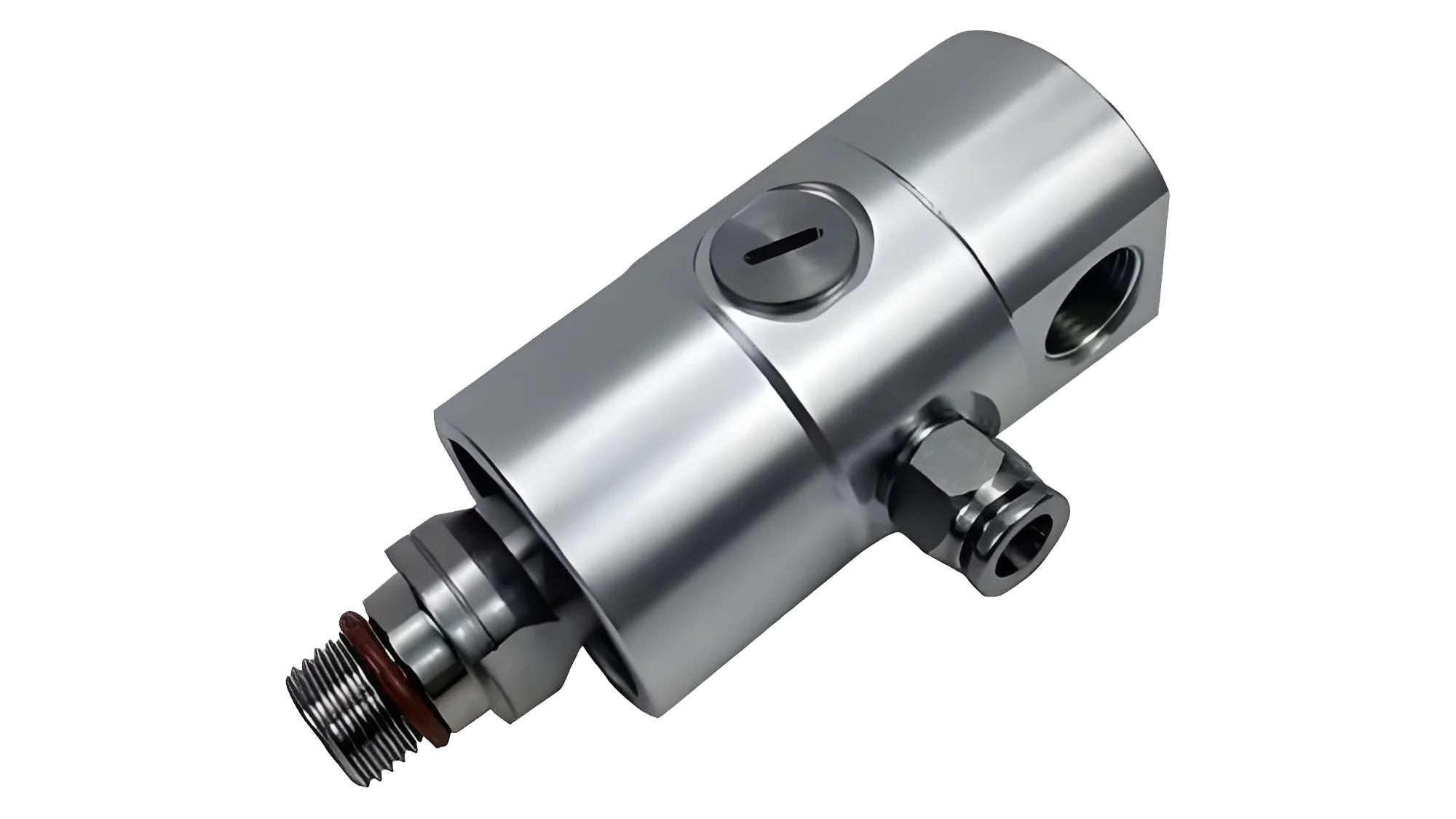
In modern industrial production, rotary joints are widely used as important connecting components in various mechanical equipment. However, many customers...
View details
When installing rotary joints on hydraulic equipment, attention should be paid to maintaining good coaxiality between the joint and the...
View details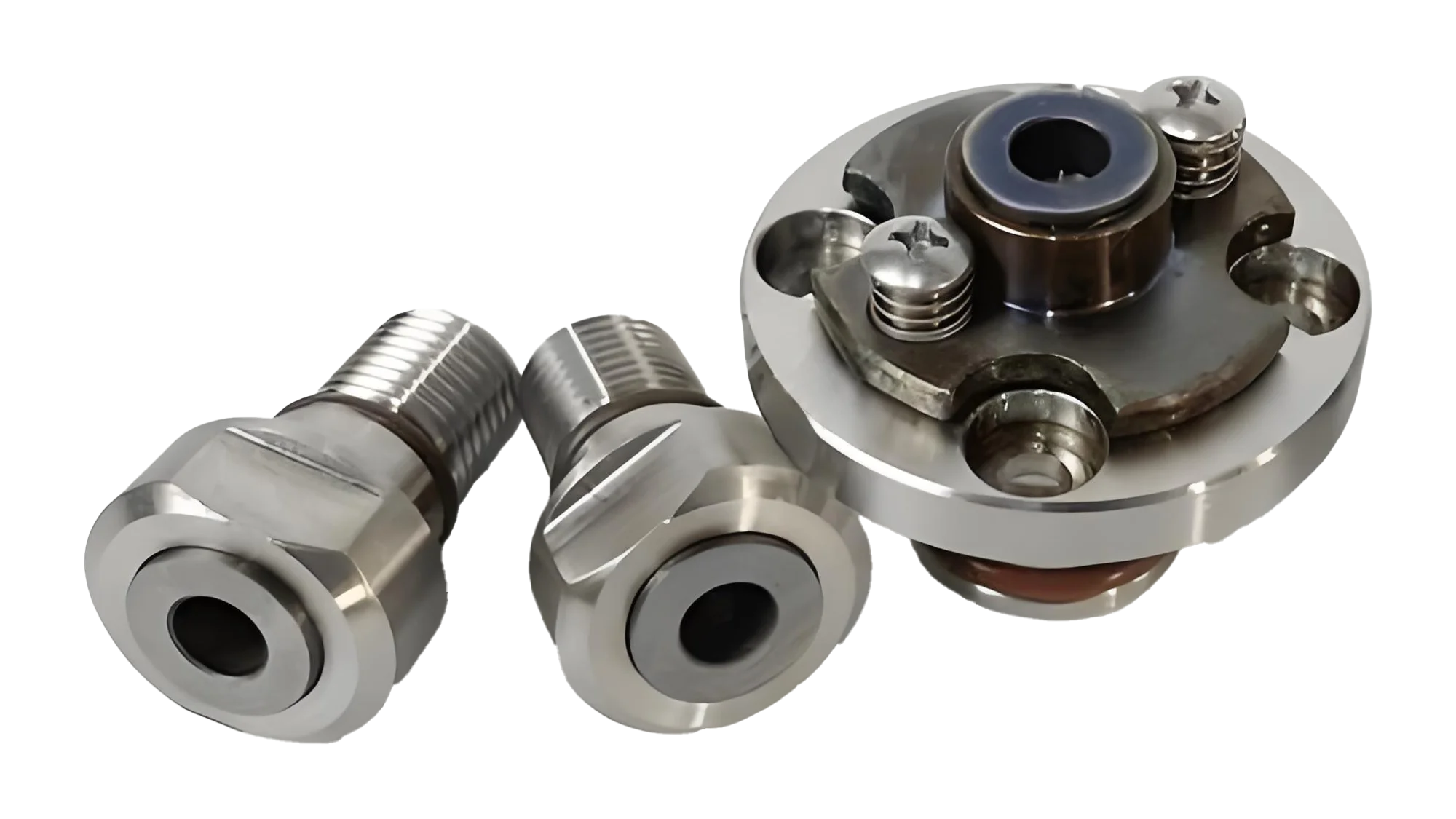
ESX20M-756YSUS is a Japanese RIX (ROCKY JOENT) brand ESX20M series high-speed rotary joint designed specifically for CNC machine tool spindles,...
View details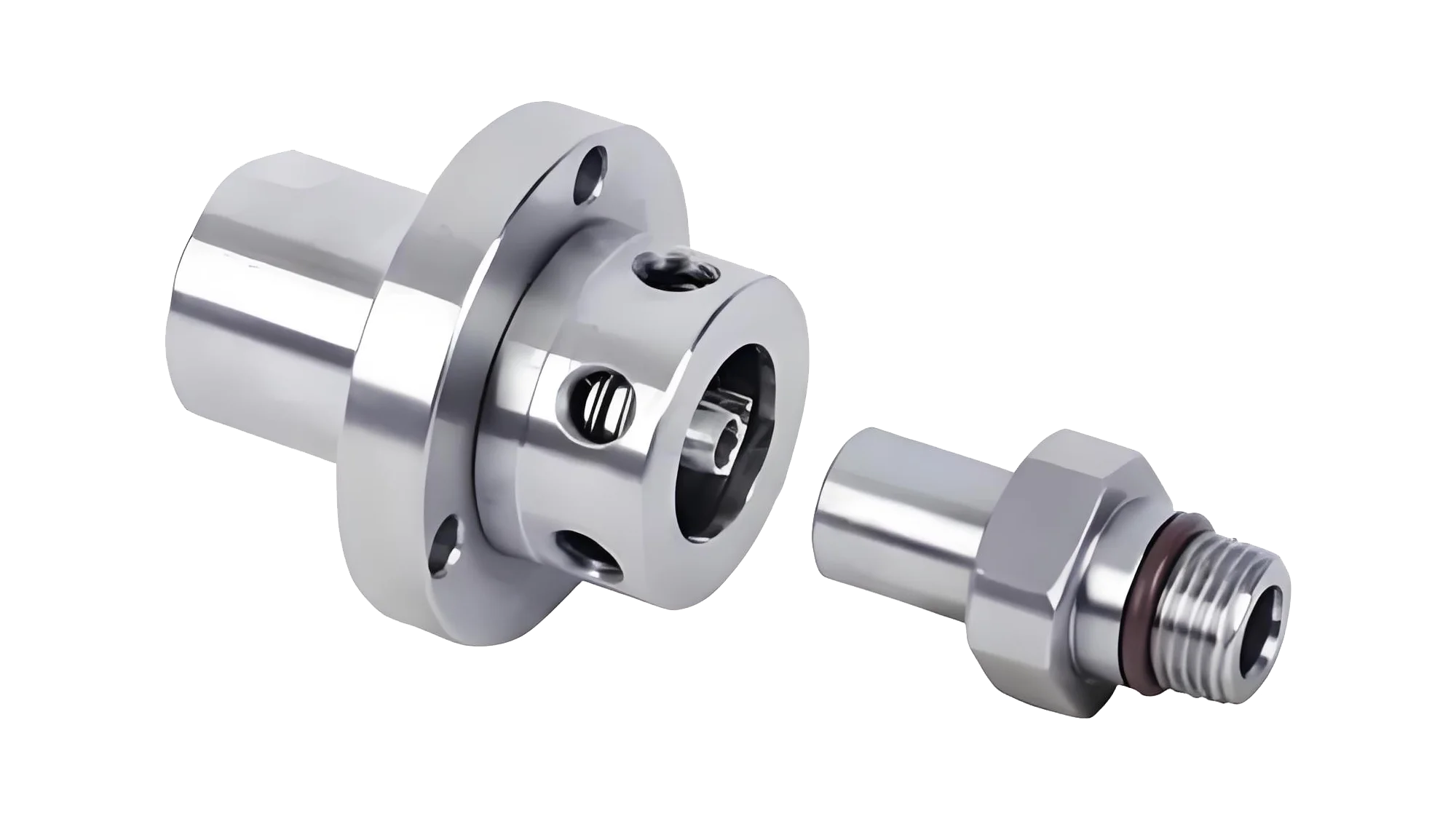
SKT (Shin Kwang Tech, South Korea) rotary joint is designed specifically for high-speed and high-pressure machine tool spindle center water...
View details